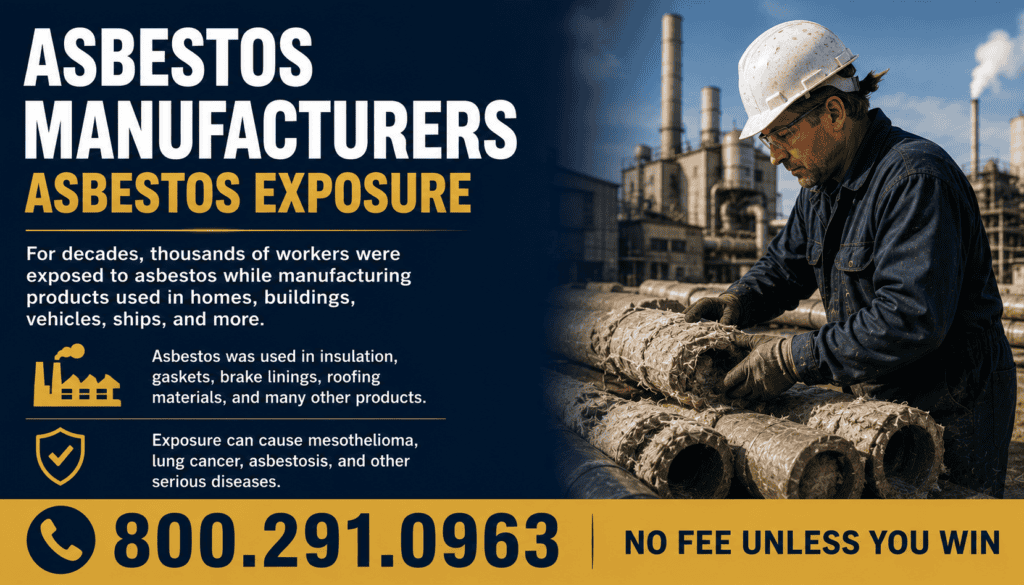
For decades, asbestos manufacturers knowingly produced and sold products that exposed millions of workers, veterans, and families to deadly asbestos fibers. These companies made insulation, cement, gaskets, brake pads, flooring, and other materials that contained asbestos—often without warning users about the health risks. Today, many of these manufacturers have set up trust funds or faced lawsuits for causing illnesses like mesothelioma, asbestos-related lung cancer, and asbestosis. This guide explains who these companies were, how exposure happened, and how victims can pursue compensation.
History of Asbestos Manufacturing in the U.S.
From the early 1900s through the 1980s, hundreds of Asbestos Companies used asbestos in thousands of products across industries. Asbestos was praised for being fireproof, durable, and inexpensive. But as early as the 1930s, some companies were aware of the health dangers—and continued production anyway. Because asbestos diseases take 20–50 years to appear, many people are just now being diagnosed from past exposure.
These companies were among the largest producers of asbestos-containing products in the U.S.:
- Johns-Manville: Made asbestos insulation, cement, and roofing materials; one of the first to file bankruptcy due to asbestos claims.
- Owens Corning: Manufactured insulation materials widely used in homes and ships.
- W.R. Grace & Co.: Produced vermiculite insulation from a contaminated mine in Libby, Montana.
- Raybestos-Manhattan: Known for asbestos brake linings and auto parts.
- Kaiser Aluminum: Used asbestos in industrial equipment and shipbuilding materials.
- GAF Corporation: Manufactured roofing and construction materials with asbestos.
- Foster Wheeler: Supplied boilers and machinery that contained asbestos.
- U.S. Gypsum (USG): Sold asbestos-containing drywall and joint compounds.
- General Electric (GE): Some appliances and electrical systems included asbestos insulation.
- Babcock & Wilcox: Supplied power plant boilers lined with asbestos insulation.
Asbestos manufacturers exposed people through product use, installation, maintenance, or even by contaminating work environments.
✅ Common Ways People Were Exposed
- Installing or cutting asbestos insulation, flooring, or roofing
- Working with machinery or vehicles that used asbestos parts
- Living in homes or buildings where asbestos products were used
- Military service on bases or ships with asbestos-containing materials
- Secondhand exposure from family members who worked with asbestos products
Many companies failed to warn consumers or workers, even after knowing the health risks.
If you were exposed to asbestos from a product made by one of these companies, you may be entitled to compensation—even if the company went bankrupt.
✅ You may be eligible if:
- You worked with or around products made before 1990
- You’ve been diagnosed with mesothelioma, lung cancer, or asbestosis
- A family member died from an asbestos-related illness linked to product use
- You lived in or repaired buildings with asbestos-containing materials
- You served in the military and were exposed to branded asbestos products
Over 60 companies created asbestos trust funds totaling more than $30 billion in compensation.
Even decades later, legal and financial support is available to victims and their families
✅ You May Qualify For:
- Asbestos trust fund claims tied to specific manufacturers
- Lawsuit settlements or trial verdicts
- VA benefits if exposed during military service
- Funeral and medical expense coverage
- Secondhand exposure compensation for spouses or children
- Free legal support to file claims and match products to responsible companies
- Monthly compensation payments for surviving family members
📞 If you or a loved one was exposed to products made by asbestos manufacturers, and developed mesothelioma or another asbestos-related illness, you may qualify for substantial compensation. Contact us today for a free legal case review—no fees unless you win.
Asbestos suppliers played a pivotal role in the widespread use of asbestos-containing products by supplying raw asbestos to manufacturers in various industries. These suppliers were aware of the health risks associated with asbestos but continued to sell the material to companies for use in a variety of products, including construction materials, automotive parts, and insulation. Asbestos exposure from products supplied by these companies has led to significant health issues for workers and consumers alike. U.S. courts have increasingly held asbestos suppliers accountable for their role in the asbestos epidemic, and legal actions have resulted in compensation for those suffering from asbestos-related diseases. Below are key points explaining how U.S. courts hold asbestos suppliers responsible.
- Knowledge of Asbestos Hazards
Asbestos suppliers were aware of the dangerous health risks associated with asbestos long before its dangers became widely recognized. Despite this, they continued to sell asbestos to manufacturers for use in a range of products. - Liability for Health Risks
Suppliers are held responsible for the health risks their products posed, as they played a crucial role in distributing asbestos to manufacturers who used it in goods later linked to respiratory diseases like mesothelioma and lung cancer. - Legal Actions and Compensation
Courts have found asbestos suppliers liable for their negligence in selling the material without adequate warnings. Victims exposed to these asbestos-containing products have received financial compensation through lawsuits, holding suppliers accountable. - Regulatory Reforms
Asbestos suppliers have faced increased scrutiny over the years. Legal actions have led to tighter regulations and reforms, making it harder for asbestos suppliers to continue distributing the harmful material without facing consequences.
For decades, product manufacturers incorporated asbestos into a wide range of products, knowing its dangerous health risks yet failing to adequately warn consumers. Asbestos was prized for its fireproofing, insulating, and heat-resistant properties, which made it popular in industries like construction, automotive, and manufacturing. However, it became evident over time that prolonged exposure to asbestos could cause serious respiratory diseases, including mesothelioma, lung cancer, and asbestosis.
U.S. courts have increasingly held these manufacturers accountable for their negligence in using asbestos and not adequately protecting consumers or workers from its harmful effects. Below are key points explaining how U.S. courts are holding asbestos product manufacturers responsible.
- Knowledge of Dangers
Many product manufacturers were aware of the dangers of asbestos long before it was widely publicized. Despite knowing the risks, these companies continued to use asbestos in their products, exposing workers and consumers to harmful fibers. - Negligence in Protection
Asbestos product manufacturers failed to implement adequate safety measures, such as proper protective gear or ventilation systems, for workers and consumers handling their asbestos-containing products, leading to preventable health issues. - Lawsuits and Accountability
U.S. courts have held these companies responsible for their negligence. Legal actions have resulted in significant compensation for victims diagnosed with asbestos-related diseases, holding manufacturers accountable for their role in exposing individuals to asbestos. - Increased Awareness and Reforms
Legal proceedings have increased public awareness about the dangers of asbestos, pushing for stricter regulations and reforms to protect consumers and workers from future exposure to asbestos-containing products.
Product users, including construction companies and other industries, were heavily exposed to asbestos through the use of products containing asbestos materials. These industries relied on asbestos for its heat resistance, durability, and insulating properties, using it in a wide range of products such as insulation, flooring, pipes, and gaskets. Despite knowing the risks associated with asbestos, these companies continued to use it, often without providing adequate protection or warning to their workers. Over time, the exposure led to serious health conditions such as mesothelioma, lung cancer, and asbestosis. Courts have increasingly held product users accountable for their role in exposing workers to asbestos, as they contributed to the widespread use of these dangerous materials. Below are key points explaining how U.S. courts hold product users responsible for asbestos exposure.
- Awareness of Risks
Many companies using asbestos-containing products were aware of the risks but continued to use them without taking necessary precautions to protect their workers, leading to widespread exposure to harmful asbestos fibers. - Failure to Provide Safety Measures
Product users, particularly in construction, failed to provide proper safety equipment such as respirators or protective clothing, putting their workers at significant risk for asbestos-related diseases. - Legal Accountability
U.S. courts have held companies liable for failing to prevent asbestos exposure. Lawsuits have been filed by victims who were exposed to asbestos through their workplace, leading to compensation and legal accountability for these companies. - Impact on Workers’ Health
The prolonged use of asbestos-containing products in industries like construction resulted in long-term health risks for workers, contributing to the development of serious respiratory illnesses. Legal actions have pushed for better workplace protections and safer alternatives to asbestos.
Sellers and distributors, including auto parts stores and building supply warehouses, played a key role in the widespread exposure to asbestos by selling products that contained this dangerous material. These companies sold asbestos-laden products like brake pads, insulation, pipes, and flooring materials, often without sufficient warnings about the health risks. Workers and consumers who purchased these products unknowingly faced the risk of exposure to asbestos fibers, which can lead to severe health conditions such as mesothelioma, lung cancer, and asbestosis. U.S. courts have increasingly held these sellers and distributors accountable for their involvement in the distribution of asbestos-containing products. Below are key points explaining how U.S. courts hold sellers and distributors responsible for asbestos exposure.
- Knowledge of Asbestos Risks
Sellers and distributors were often aware of the dangers posed by asbestos but continued to sell products containing the material. This failure to act on the known risks led to widespread exposure among consumers and workers. - Liability for Distribution
These companies were held responsible for contributing to asbestos exposure by selling products that were used in construction, automotive repair, and other industries. Their involvement in the supply chain made them liable for the health issues caused by their products. - Legal Actions and Compensation
U.S. courts have found sellers and distributors responsible for exposing individuals to asbestos-containing products. Victims have been compensated for medical costs, lost wages, and pain and suffering through lawsuits and legal claims. - Regulatory Changes
Legal cases and increasing awareness have resulted in tighter regulations for sellers and distributors, ensuring that dangerous products containing asbestos are no longer sold without proper warnings, and forcing many companies to discontinue their use of asbestos.
Mining companies that extracted asbestos and sold it to suppliers played a significant role in the widespread exposure to this dangerous mineral. For many years, asbestos was mined and distributed to various industries for use in products such as insulation, construction materials, and automotive parts. Despite knowing the health risks associated with asbestos exposure, these companies continued to mine and sell it, leading to significant health issues for workers and consumers alike. The last asbestos mine in the United States closed in 2002, but the legacy of asbestos exposure continues to affect individuals. U.S. courts have held these mining companies accountable for their role in the asbestos epidemic. Below are key points explaining how U.S. courts hold mining companies responsible for asbestos exposure.
- Knowledge of Health Risks
Mining companies were aware of the dangers of asbestos exposure long before it was widely acknowledged. Despite this, they continued mining and selling asbestos without proper safety measures to protect workers from inhaling harmful fibers. - Liability for Exposure
These companies are held responsible for the asbestos-related diseases that developed as a result of their operations. Workers in the mines, as well as those in industries that used mined asbestos, were exposed to life-threatening asbestos fibers. - Legal Actions and Compensation
Lawsuits filed against mining companies have resulted in compensation for victims diagnosed with mesothelioma, lung cancer, and other asbestos-related diseases. Legal action has forced many companies to pay damages to victims and their families. - End of U.S. Asbestos Mining
The closure of the last asbestos mine in the U.S. in 2002 marked the end of legal asbestos mining. However, the effects of years of exposure continue to impact the health of individuals who worked in or around these mines.
40 Asbestos Manufacturers with Asbestos Exposure
For much of the 20th century, dozens of companies manufactured products containing asbestos, often without warning workers or consumers about the dangers. These manufacturers supplied insulation, flooring, roofing, and automotive parts that released toxic asbestos fibers during production, installation, or repair. Workers in construction, shipbuilding, manufacturing, and automotive industries were especially vulnerable—many developing life-threatening illnesses like mesothelioma years later. Below are 40 key manufacturers known for using asbestos in their products, contributing to widespread occupational exposure.
1. Armstrong World Industries
Armstrong World Industries was a leading manufacturer of building materials that included asbestos-containing floor tiles, insulation, and ceiling tiles. Workers involved in the production, installation, or removal of these products were at significant risk of inhaling asbestos fibers, leading to serious health conditions.
2. Johns Manville
Johns Manville was one of the largest manufacturers of asbestos-containing products including insulation, roofing, and cement. Workers handling these products, whether during manufacturing or installation, were exposed to harmful asbestos fibers, increasing the risk of respiratory diseases.
3. Owens Corning
Owens Corning produced a variety of products with asbestos insulation for construction and automotive industries. Workers involved in the production, installation, or removal of asbestos materials were exposed to harmful asbestos fibers, potentially leading to long-term health complications.
4. Raybestos Manhattan
Raybestos Manhattan produced asbestos-containing automotive parts, such as brake pads and gaskets. Mechanics working with these components risked exposure to asbestos fibers during repair or maintenance, which could lead to serious respiratory illnesses, including mesothelioma and lung cancer.
5. Manville Corporation
The Manville Corporation manufactured asbestos insulation, roofing, and cement materials widely used in construction. Workers exposed to these materials during installation, maintenance, or demolition were at significant risk for developing life-threatening diseases caused by asbestos fibers.
6. Fibreboard Corporation
Fibreboard Corporation produced asbestos-containing products such as insulation, ceiling tiles, and flooring materials. Workers in construction and demolition who handled these materials, especially during renovations, were exposed to airborne asbestos fibers, which could cause severe respiratory diseases.
7. Kaiser Aluminum
Kaiser Aluminum manufactured asbestos-containing insulation and fireproofing materials for industrial applications. Workers exposed to these products during installation, maintenance, or repairs were at high risk for diseases like mesothelioma, lung cancer, and asbestosis due to inhaling asbestos fibers.
8. Keasbey and Mattison
Keasbey and Mattison was a major producer of asbestos-containing materials used in insulation, fireproofing, and roofing. Workers in manufacturing, construction, and maintenance faced significant asbestos exposure, putting them at risk for fatal diseases like mesothelioma and lung cancer.
9. Unibestos
Unibestos manufactured a range of asbestos-containing products, including insulation and fireproofing materials for commercial buildings. Workers in construction, maintenance, or demolition of buildings with these materials were exposed to harmful asbestos fibers, which could cause respiratory illnesses.
10. National Gypsum Company
National Gypsum Company produced a wide range of building materials, including asbestos-containing wallboard and plaster. Workers involved in the installation, maintenance, or demolition of these materials were exposed to asbestos fibers, leading to a higher risk of lung diseases.
11. Etex Corporation
Etex Corporation produced asbestos-containing insulation and roofing materials used extensively in the construction and energy sectors. Workers handling these products were exposed to airborne asbestos fibers, increasing their risk of developing mesothelioma, lung cancer, and other respiratory diseases.
12. GAF Corporation
GAF Corporation produced roofing and insulation materials that contained asbestos. Workers exposed to these products, especially during installation, repair, or demolition, faced significant risk from inhaling asbestos fibers, which could cause serious health complications.
13. Pittsburgh Corning
Pittsburgh Corning produced asbestos-containing insulation for use in industrial and commercial applications. Workers handling or installing these materials were exposed to harmful asbestos fibers, leading to a higher risk for developing respiratory diseases and cancers.
14. Turner & Newall
Turner & Newall was a leading producer of asbestos-containing construction products, including pipe insulation and gaskets. Workers involved in the production, installation, or removal of these materials were exposed to harmful asbestos fibers that could lead to mesothelioma and other diseases.
15. CertainTeed
CertainTeed manufactured asbestos-containing products for the construction industry, including insulation, roofing, and siding materials. Workers exposed to these materials during installation or maintenance were at risk of inhaling asbestos fibers, which could result in severe respiratory diseases.
16. Johns-Manville Corporation
Johns-Manville Corporation was one of the largest manufacturers of asbestos-containing products, including insulation and roofing materials. Workers exposed to these products were at high risk of developing mesothelioma and other asbestos-related diseases due to inhalation of harmful fibers.
17. Libby Montana
Libby Montana was the source of the asbestos mined and processed by various companies, including Johns-Manville. Workers in the mining and processing industries were exposed to high levels of asbestos fibers, significantly increasing their risk of developing lung diseases.
18. W.R. Grace & Co.
W.R. Grace & Co. manufactured asbestos-containing products, including insulation and fireproofing materials. Workers involved in production, installation, or demolition of these products were exposed to airborne asbestos fibers, putting them at risk for severe respiratory diseases.
19. American Biltrite Inc.
American Biltrite Inc. produced asbestos-containing gaskets, flooring materials, and insulation products for industrial applications. Workers involved in handling or installing these materials were exposed to harmful asbestos fibers, which could cause lung cancer, asbestosis, and mesothelioma.
20. Celotex Corporation
Celotex Corporation manufactured a wide variety of asbestos-containing products, including ceiling tiles, insulation, and roofing materials. Workers exposed to these products during construction or demolition were at risk of inhaling harmful asbestos fibers, leading to serious health risks.
21. Union Carbide
Union Carbide produced asbestos-containing materials, especially for use in the construction, automotive, and industrial sectors. Workers handling or working with these materials were exposed to harmful asbestos fibers, significantly increasing their risk for respiratory diseases.
22. Bendix Corporation
Bendix Corporation produced a wide variety of automotive parts, including brake linings and clutches, that contained asbestos. Mechanics and workers exposed to these products during maintenance and repairs were at risk of inhaling asbestos fibers.
23. Johns-Manville International
Johns-Manville International produced asbestos-containing products for global markets, including insulation and fireproofing materials. Workers worldwide exposed to these materials faced significant risks from asbestos exposure, including developing mesothelioma and other asbestos-related cancers.
24. Rockbestos
Rockbestos produced insulation products for industrial and commercial use that contained asbestos. Workers involved in the installation, maintenance, or removal of these products were exposed to asbestos fibers, which could lead to severe respiratory issues.
25. S.A. Robins Company
S.A. Robins Company manufactured asbestos-containing materials, including insulation and fireproofing products. Workers exposed to these products during installation, maintenance, or demolition were at risk of inhaling harmful asbestos fibers.
26. Insulation Products Corporation
Insulation Products Corporation produced asbestos-based insulation materials for use in construction and industrial applications. Workers involved in the handling and installation of these materials faced significant risks from inhaling asbestos fibers.
27. Miners and Manufacturers
Miners and manufacturers in the asbestos industry were responsible for extracting and processing asbestos fibers into products. Workers in mining and processing facilities faced direct exposure to harmful asbestos fibers, significantly increasing their risk of developing mesothelioma.
28. Foster Wheeler Corporation
Foster Wheeler Corporation produced various asbestos-containing products, including insulation and heat-resistant materials for industrial use. Workers exposed to these materials during manufacturing or maintenance faced significant health risks from inhaling asbestos fibers.
29. Bestwall
Bestwall manufactured asbestos-containing wallboard products for the construction industry. Workers who were involved in the manufacturing, installation, or demolition of these products were at risk of inhaling harmful asbestos fibers.
30. The Celotex Corporation
The Celotex Corporation produced a wide variety of asbestos-containing building materials such as ceiling tiles, insulation, and wallboard. Workers handling or working with these products were at high risk of asbestos exposure, leading to serious health complications.
31. Anaconda
Anaconda was a mining company that produced asbestos used in construction and manufacturing. Workers exposed to asbestos during mining operations or product manufacturing faced a high risk of developing respiratory diseases, including mesothelioma.
32. Knauf Insulation
Knauf Insulation produced insulation products, including those containing asbestos. Workers in construction and manufacturing exposed to these materials were at risk for long-term health issues from inhaling asbestos fibers.
33. Union Asbestos and Rubber Company
Union Asbestos and Rubber Company produced a wide variety of asbestos-containing products, including tires, seals, and insulation materials. Workers exposed to these products during manufacturing or handling were at risk of serious respiratory diseases.
34. International Paper
International Paper manufactured paper products that often contained asbestos for added durability and fire resistance. Workers handling these materials faced the risk of inhaling asbestos fibers, leading to lung cancer and other respiratory conditions.
35. Ashland Chemical Company
Ashland Chemical Company produced chemical products that contained asbestos, particularly in insulation and fireproofing materials. Workers exposed to these materials during handling or repairs were at risk for developing asbestos-related diseases.
36. Thermoid
Thermoid produced industrial rubber products, including gaskets and seals, many of which contained asbestos. Workers handling these materials during repairs or manufacturing were exposed to asbestos fibers, leading to health complications.
37. Rockbestos
Rockbestos produced insulation materials primarily for industrial applications that contained asbestos. Workers handling or working with these materials faced significant risks from inhaling harmful asbestos fibers.
38. Saran
Saran produced insulation materials used in the construction industry that contained asbestos. Workers involved in the installation or maintenance of these materials were at significant risk of asbestos exposure, leading to respiratory diseases.
39. Foster Wheeler
Foster Wheeler produced a range of asbestos-containing products for industrial applications, including power plants and refineries. Workers exposed to these materials during manufacturing or maintenance faced serious health risks from asbestos exposure.
40. Owens-Illinois
Owens-Illinois manufactured various products that contained asbestos, such as insulation and cement. Workers exposed to these materials during construction or maintenance were at risk of developing serious respiratory diseases.
Q. What are asbestos manufacturers?
Asbestos manufacturers are companies that produced or supplied asbestos-containing products. These included insulation, cement, roofing materials, gaskets, brake pads, and many other industrial goods. Many of these products were used in construction, shipbuilding, and the military.
Q. Which companies were known for using asbestos in their products?
Some of the most well-known asbestos manufacturers include Johns-Manville, Owens Corning, W.R. Grace, Armstrong World Industries, Raybestos-Manhattan, and CertainTeed. Hundreds of companies across the U.S. used asbestos from the early 1900s until the late 1980s.
Q. Did these companies know asbestos was dangerous?
Yes. Many internal documents show that manufacturers were aware of the health risks of asbestos as early as the 1930s but failed to warn workers or the public. This concealment has been a key factor in lawsuits.
Q. What health risks did asbestos manufacturers cause?
By producing and distributing asbestos products, these companies put millions of workers and consumers at risk for serious diseases like mesothelioma, lung cancer, and asbestosis. Many victims were exposed unknowingly while working with or around these products.
Q. What is an asbestos trust fund?
Many asbestos manufacturers filed for bankruptcy due to lawsuits. As a result, they were required to create asbestos trust funds to compensate current and future victims. These funds now hold billions of dollars available for qualified claims.
Q. Can I file a claim against an asbestos manufacturer?
Yes. If you were exposed to asbestos products made by a known manufacturer and later developed an illness, you may be eligible to file a claim with a trust fund or pursue a lawsuit—even if the company is no longer in business.
Q. How do I find out which manufacturer exposed me to asbestos?
An experienced asbestos attorney can investigate your work history and job sites to identify which companies’ products you were exposed to. Many companies and job sites have detailed exposure records.
Q. How can I get legal help with a claim against asbestos manufacturers?
If you or a loved one has been diagnosed with an asbestos-related disease, call us today for a free consultation. We can help identify the responsible manufacturers and pursue compensation—with no upfront fees.
The mesothelioma claims process can seem overwhelming, but understanding each step can make it easier to navigate. Here’s an easy-to-follow guide to help you understand the process, from filing your claim to receiving compensation.
Step 1: Consult with an Experienced Mesothelioma Lawyer
The first step in the mesothelioma claims process is to consult with an experienced mesothelioma lawyer. This lawyer specializes in asbestos-related cases and can guide you through the legal process. They will evaluate your case, explain your legal options, and help you determine whether you are eligible for compensation. Choosing a lawyer with experience in mesothelioma cases increases your chances of success.
Step 2: Gather Medical and Work History
Once you’ve chosen your lawyer, the next step is to gather your medical and work history. You’ll need to provide your medical records that confirm your mesothelioma diagnosis and documents showing where and when you were exposed to asbestos. Your lawyer will help you collect employment records and any other relevant documents that establish the connection between your exposure and your illness. This step is essential to building a strong case.
Step 3: Investigate the Asbestos Exposure
In this step, your lawyer will work to identify the specific companies and products responsible for your asbestos exposure. This is done by investigating your work history, where you lived, and which asbestos-containing materials you were in contact with. Your lawyer will research which manufacturers or employers were involved and whether they can be held legally accountable. This investigation is crucial for determining who will be the target of your claim.
Step 4: Filing the Mesothelioma Claim
After gathering all necessary information, your lawyer will file the mesothelioma claim on your behalf. This may involve filing a lawsuit against the companies responsible for your exposure, or it could involve filing a claim with an asbestos trust fund, which is a compensation fund set up by companies that have gone bankrupt due to asbestos liabilities. Your lawyer will ensure that all necessary documentation is submitted to support your claim and increase the chances of success.
Step 5: Discovery and Negotiation
Once the claim is filed, the discovery process begins. During this phase, both parties (you and the defendants) will exchange information and evidence related to the case. This process may involve depositions, document requests, and expert witness testimony. After discovery, your lawyer will enter into settlement negotiations with the defendant(s). Many mesothelioma cases are settled out of court to avoid lengthy trials. Your lawyer will negotiate on your behalf to secure the best possible settlement.
Step 6: Settlement or Trial
Most mesothelioma claims are settled out of court, which means you will receive compensation without a trial. If a fair settlement can’t be reached, the case will proceed to trial. During a trial, both sides present evidence and arguments to a judge or jury, who will then make a decision. While a trial can take longer, a favorable verdict can result in a larger settlement. However, many mesothelioma cases are settled before reaching trial, providing quicker compensation.
Step 7: Receiving Compensation
After settlement or trial, you will receive compensation for your mesothelioma diagnosis. Compensation may cover medical expenses, lost wages, pain and suffering, and other damages resulting from your illness. If your claim is successful, you will receive a financial payout. This compensation is essential for managing the costs of treatment, and it provides some financial relief for you and your family. Your lawyer will help you understand how much you are entitled to and ensure that the funds are distributed appropriately.
Step 8: Post-Settlement Support
After you receive compensation, your lawyer will continue to support you by ensuring that all aspects of your claim are completed, and they will address any additional legal concerns that may arise. If you are receiving compensation from an asbestos trust fund, your lawyer will help you navigate the disbursement process. Post-settlement support ensures that all final steps are handled efficiently and that you can focus on your health and well-being.
Final Thoughts
The mesothelioma claims process can be lengthy, but with the help of a skilled attorney, you can secure the compensation you deserve. Whether your claim involves filing a lawsuit or a trust fund claim, following each step carefully will ensure that your legal rights are protected and that you get the support you need during this challenging time.
If you or someone you love has been diagnosed with mesothelioma, you may be entitled to compensation. Call 800.291.0963 for a free, no-obligation case evaluation with a dedicated mesothelioma lawyer who can help guide you through the legal process and get the support you deserve.