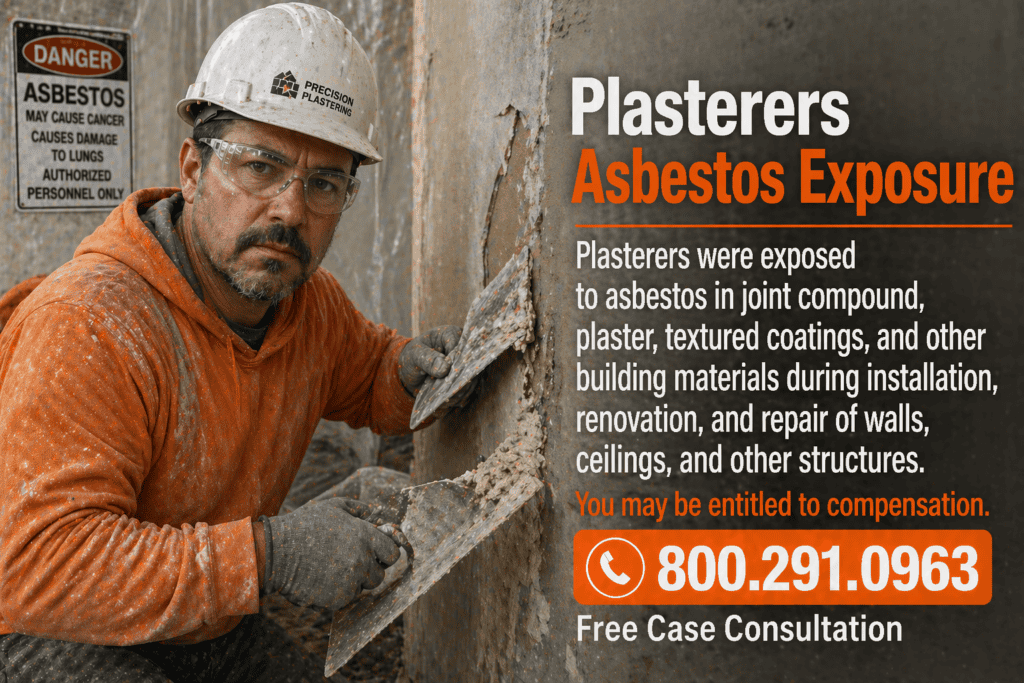
🎨 Plasterers Mesothelioma Lawsuits
If you or a loved one who worked as a plasterer has been diagnosed with mesothelioma or asbestos lung cancer due to asbestos exposure, you may qualify to file a plasterer mesothelioma lawsuit. Our experienced legal team helps plasterers, contractors, and their families pursue financial compensation by identifying the companies responsible for their asbestos exposure—often due to negligent practices and a failure to provide proper safety warnings. We carefully build strong legal cases based on occupational and environmental exposure history, including asbestos exposure from plaster mixes, joint compounds, wall coatings, fireproofing materials, and construction sites where asbestos products were heavily used.
Through plasterer mesothelioma lawsuits, victims may receive compensation for medical bills, lost wages, pain and suffering, long-term care, and wrongful death. At Mesothelioma Help Center, we guide plasterers and their families through every step of the legal process—with no upfront fees, and no payment unless we win. Our attorneys have decades of experience securing asbestos verdicts and asbestos trust fund claims, helping victims hold negligent manufacturers accountable and obtain the justice they deserve.
🧑🎨 Plasterers – What You’ll Learn From This Page:
🧱 Plasterers worked with wall plasters, patching compounds, and fireproof coatings that contained asbestos—especially before the 1980s.
🛠️ Mixing powders, sanding surfaces, or patching old walls released fine asbestos dust into the air.
🏚️ Older buildings had asbestos base layers that became airborne when refinished or repaired.
😷 Work was often done indoors without masks, leading to frequent fiber inhalation over long careers.
💰 Plasterers diagnosed with mesothelioma may qualify for asbestos trust funds or legal claims.
🧱Number of U.S. Plasterers Exposed to Asbestos
Plasterers were widely exposed to asbestos from the early 1900s through the 1980s. Asbestos was blended into plasters, joint compounds, wall coatings, fireproofing sprays, and lath backings. Plasterers mixed, applied, sanded, and repaired these products daily, releasing clouds of asbestos dust into the air—often in enclosed rooms with poor ventilation.
| Work Setting | Estimated Number of Plasterers Exposed |
|---|---|
| Residential and Commercial Buildings | Over 300,000 plasterers applied asbestos-based plasters, patching compounds, and textured finishes on walls and ceilings. |
| Industrial and Manufacturing Facilities | Approximately 200,000 worked with fireproofing and insulating plasters in factories and warehouses. |
| Schools and Public Buildings | Around 125,000 exposed while repairing classroom walls, gym ceilings, and auditoriums coated with asbestos plaster. |
| Shipyards and Maritime Vessels | Nearly 90,000 plasterers applied and repaired asbestos wall coatings in ship compartments and vessel quarters. |
| Oil Refineries and Power Plants | About 70,000 used insulating plasters on walls, boilers, and heat-intensive areas. |
| Demolition and Renovation Projects | Roughly 60,000 disturbed asbestos plaster during remodeling, sanding, and removal in older buildings. |
Total Estimated Exposure:
Over 845,000 U.S. plasterers were exposed to asbestos through plaster compounds, coatings, and insulation—placing them at heightened risk for mesothelioma, lung cancer, and asbestosis decades after exposure.
🧱 Plaster Products with Asbestos Exposure
Asbestos was a common ingredient in plaster products across the U.S. from the early 1900s through the 1980s. Plasterers, builders, and maintenance crews inhaled asbestos dust during mixing, sanding, or removal—creating dangerous long-term health risks.
🏗️ Asbestos Plaster Mix
Plaster mixes blended asbestos fibers for fire resistance and strength. Workers faced exposure when mixing dry powders, applying plaster to walls, or sanding surfaces, releasing clouds of asbestos dust into enclosed and poorly ventilated spaces.
🧩 Joint Compound Plaster
Joint compounds sealing wall seams and gaps often contained asbestos. Sanding or reapplication disturbed fibers, exposing plasterers, drywall installers, and painters working on residential, school, and commercial projects without protective equipment.
🏠 Textured Ceiling Plaster
“Popcorn” and textured ceiling plasters commonly used asbestos for durability. Application, sanding, or removal scattered asbestos dust throughout homes, offices, and schools, placing both plasterers and building occupants at serious risk of inhalation.
🔥 Fireproofing Spray Plaster
Spray-applied plaster used to fireproof ceilings, beams, and walls contained asbestos. Plasterers applying it in enclosed areas created dense airborne dust, exposing themselves, nearby construction workers, and occupants during later maintenance or renovations.
🛠️ Insulating Basecoat Plaster
Basecoat plasters contained asbestos for thermal protection. Applied around boilers, pipes, and heating systems, these materials released asbestos fibers when disturbed, exposing plasterers and custodians working in schools, factories, and power plants.
🎨 Finishing Plaster Compounds
Finishing coats often included asbestos for strength. Sanding, repairing, or patching walls and ceilings released hazardous fibers, exposing plasterers, painters, and homeowners engaged in renovations, especially in older residential or commercial properties.
🎭 Acoustic Plaster
Asbestos acoustic plasters were applied for soundproofing in schools, theaters, and auditoriums. Plasterers and maintenance staff inhaled fibers when surfaces were damaged, patched, or demolished decades later during renovations.
🏛️ Casting Plaster
Casting plasters with asbestos were used for decorative molding, cornices, and architectural details. Cutting, shaping, or sanding these elements released asbestos dust, endangering plasterers and other tradesmen working nearby without protective controls.
🧱 Patch Repair Plaster
Repair plasters contained asbestos to strengthen small fixes. Sanding patches or scraping old plaster created airborne fibers, exposing plasterers and building occupants during common wall and ceiling repairs in homes, schools, and offices.
🏢 Exterior Stucco Plaster
Stucco and exterior plasters often contained asbestos for durability. Application and later chipping or demolition released fibers outdoors, where plasterers and cleanup crews were exposed to lingering airborne asbestos.
🧯 Fire-Resistant Wall Plaster
Wall plasters blended asbestos for fire resistance. Plasterers applying or cutting into these walls disturbed fibers, exposing themselves and maintenance workers decades later when schools, hospitals, and factories required upgrades or demolitions.
🧑🏭 Industrial Coating Plaster
Plasters used in factories and warehouses were mixed with asbestos for insulation. Application in hot or chemical-heavy environments created dusty conditions, exposing plasterers and nearby workers across many industrial settings.
👷♂️ Tasks That Caused Exposure for Plasterers
Plasterers handled dusty and fiber-filled compounds in enclosed indoor environments.
🛠️ Task ⚠️ Exposure Source
🧴 Mixing powder – dry asbestos entered air when blended with water
🎨 Troweling – asbestos plaster applied across large surfaces
🪚 Sanding – smoothed surfaces released fibers with each pass
🧱 Demo & Patchwork – removed cracked or aged asbestos plaster
🧤 Handling debris – fibers clung to clothing and gloves
🧹 Sweeping – stirred dust from floors and corners
🏢 Workplaces That Put Plasterers at Risk
Plasterers worked in a wide variety of building environments that relied on asbestos-laced compounds:
🏫 Schools – fire-resistant wall finishes in hallways and classrooms
🏢 Commercial Buildings – textured ceilings and partition walls
🏠 Homes – joint compound and ceiling coatings in every room
🏥 Hospitals – asbestos plasters around heating and piping
🏭 Factories – soundproof or fireproof wall applications
🏗️ Government Buildings – durable asbestos materials in public construction
Types of Plasterers with Asbestos Exposure
Plasterers frequently worked with asbestos-containing materials before the 1980s, as asbestos was widely used in plaster, cement, stucco, and joint compounds for fire resistance and durability. Mixing, applying, sanding, or removing these materials released dangerous fibers.
👷 Construction Plasterers
Construction plasterers applied plaster mixes on walls and ceilings. Many pre-1980 materials contained asbestos, exposing workers through mixing dry compounds, sanding, and repairing damaged plaster surfaces in homes and commercial buildings.
🎨 Ornamental Plasterers
Ornamental plasterers crafted decorative cornices and moldings. Asbestos was often present in specialty plasters, creating dust during cutting, shaping, and installation, especially in restoration projects on older historical buildings.
🏠 Stucco Plasterers
Stucco plasterers applied exterior plaster finishes. Many stucco mixes contained asbestos fibers for durability. Spraying, troweling, or demolishing stucco walls released hazardous fibers into the air.
🪜 Drywall Plasterers
Drywall plasterers spread joint compounds over seams and nail holes. Pre-1980 joint compounds frequently contained asbestos, exposing workers to dust during sanding, finishing, and demolition of drywall panels.
🏭 Industrial Plasterers
Industrial plasterers applied fire-resistant plasters on equipment and structural surfaces. These specialized coatings often contained asbestos, exposing workers during installation, patching, and later removal in factories, warehouses, and refineries.
🧱 Cement Plasterers
Cement plasterers mixed and applied asbestos-containing cement plaster on walls and ceilings. Mixing dry bags, applying coats, and repairing surfaces generated airborne asbestos dust in confined areas.
🏛️ Restoration Plasterers
Restoration plasterers repaired or replaced plaster in old structures. They often encountered asbestos-containing materials during demolition, sanding, and refinishing, creating repeated exposure while working on historic or institutional projects.
🔊 Acoustic Plasterers
Acoustic plasterers installed soundproofing plaster on ceilings and walls. Many acoustic plasters contained asbestos for fire resistance. Spraying, mixing, or repairing these surfaces released asbestos fibers into breathing zones.
✨ Decorative Plasterers
Decorative plasterers created textured finishes. Before asbestos bans, many decorative plasters contained asbestos for strength. Mixing, applying, and sanding textured coatings created dangerous airborne fibers in enclosed spaces.
🪚 Lath and Plaster Workers
Lath and plaster workers nailed wooden or metal lath and covered it with plaster. Asbestos additives were common in plasters, exposing workers during mixing, application, and demolition.
🔥 Fireproofing Plasterers
Fireproofing plasterers applied asbestos-containing fireproof plasters to steel beams and building structures. Spraying or removing these plasters exposed workers to dense asbestos dust in industrial and commercial construction projects.
🏢 Ceiling Plasterers
Ceiling plasterers specialized in applying plaster overhead. Asbestos in ceiling plasters created heavy dust exposure as materials were mixed, applied, repaired, or removed during ceiling renovation or demolition.
🩺 Asbestos Diseases Affecting Plasterers
🧬 Mesothelioma
A rare cancer caused only by asbestos—most commonly affecting the lungs or abdomen.
🫁 Lung Cancer
Prolonged asbestos exposure significantly raises the risk, especially among smokers.
💨 Asbestosis
Chronic lung disease from asbestos scarring—causing persistent cough and breathlessness.
Companies That Manufactured Asbestos-Containing Plaster
Before asbestos was banned, many plaster products contained asbestos for strength, fire resistance, and durability. Workers and consumers faced exposure risks during mixing, application, and renovation, as airborne fibers contaminated job sites and homes.
🏭 United States Gypsum (USG)
USG produced asbestos-containing plaster and joint compounds widely used in construction. Workers applying, sanding, and demolishing these materials were exposed to dangerous fibers in residential, commercial, and industrial projects nationwide.
🧱 National Gypsum Company
National Gypsum manufactured asbestos plaster and finishing products. Their wallboard compounds and specialty plasters contained asbestos, exposing plasterers, drywall workers, and homeowners to dust during sanding and repairs.
🏗️ Georgia-Pacific Corporation
Georgia-Pacific supplied asbestos-containing joint compounds, plasters, and patching products. Common in mid-20th-century building projects, these materials exposed tradesmen and DIY users when mixed or sanded.
🏢 Kaiser Gypsum Company
Kaiser Gypsum made asbestos plasters and wall products marketed for durability. Their compounds contained asbestos until the late 1970s, exposing thousands of construction workers to inhaled fibers.
🏠 Domtar Corporation
Domtar produced asbestos plasters and compounds used in homes and commercial construction. Plasterers and carpenters were exposed while mixing, applying, and sanding these toxic materials.
🧰 American Gypsum Company
American Gypsum manufactured plaster products reinforced with asbestos. Construction crews and maintenance staff inhaled fibers released when these materials were applied, cut, or repaired in older buildings.
🛠️ CertainTeed Corporation
CertainTeed produced asbestos plasters and finishing compounds. These products were used in wall coatings, ceilings, and decorative finishes, exposing workers during routine installation and renovation work.
🪜 Johns-Manville Corporation
Johns-Manville, one of the largest asbestos manufacturers, produced plaster, joint compounds, and insulating plasters with asbestos. Their products were used nationwide, exposing countless workers and end-users to asbestos dust.
🔨 Keene Corporation
Keene manufactured asbestos-containing plaster mixes and wall finishing products. Contractors and homeowners were exposed while mixing dry compounds and sanding hardened finishes.
🧱 Pabco Building Products
Pabco supplied asbestos plasters and joint compounds for construction. Their products contributed to asbestos exposure among plasterers, painters, and drywall crews in the mid-1900s.
🏛️ Celotex Corporation
Celotex produced asbestos plasters used in residential and commercial construction. Dust from application and renovation created exposure risks for plasterers, laborers, and even building occupants.
🪚 Gold Bond Building Products
Gold Bond, a brand of National Gypsum, made asbestos-containing plaster and finishing materials. These were commonly applied in homes and schools, exposing tradesmen and maintenance workers to fibers.
Legal Options for Plasterers
Workers harmed by asbestos exposure on the job have legal rights to pursue compensation.
💰 You May Be Eligible to Recover:
-
Medical treatment and specialist care
-
Lost income and reduced earning potential
-
Pain, emotional distress, and quality of life damages
-
End-of-life or hospice care
-
Funeral and burial costs
-
VA claims (if exposure occurred during military service)
-
Asbestos trust fund payouts
💵 Average Settlements and Payouts
⚖️ Typical settlements range from $1 million – $1.4 million
🏛️ Some jury verdicts exceed $2 million
🕒 Claims remain valid even decades later—most states allow 1–3 years from diagnosis
🏦 Asbestos Trust Funds for Plasterers
Hundreds of companies that produced asbestos-containing plaster and compounds have established trust funds for victims.
Trust Fund Highlights:
💼 Over $30 billion remains available
📋 Claims are filed outside of court
⚙️ You may qualify for multiple trusts
📁 Our legal team handles all paperwork, medical records, and site tracing
❓FAQs About Plasterers Mesothelioma Lawsuits
👥 Who qualifies?
Plasterers diagnosed with mesothelioma or asbestos-caused lung cancer after handling asbestos-containing plaster, insulation, or joint compounds may qualify for legal claims and asbestos trust fund compensation.
🏭 How did exposure happen?
Asbestos was added to plaster, wall coatings, and joint compounds for strength and fire resistance. Plasterers inhaled fibers while mixing, sanding, and applying materials during construction or renovations.
🎖️ Are veterans eligible?
Yes. Veterans who worked as plasterers or repaired asbestos-laced walls in military housing, bases, or shipyards may qualify for VA benefits and separate legal compensation.
📅 What’s the filing deadline?
Most states allow 1–3 years from diagnosis or death to file asbestos lawsuits. Prompt legal action is critical to preserve rights and secure rightful compensation.
💵 Do I pay anything upfront?
No. Our plasterer mesothelioma attorneys operate strictly on contingency. Clients pay nothing upfront, and fees are only collected if financial compensation is successfully recovered.
🛡️ Why Plasterers Trust Our Legal Team
✅ 25+ years handling asbestos cases
✅ Expertise in trades, materials, and exposure history
✅ Access to national product and job site archives
✅ No fees unless we win
✅ Support for union and non-union tradesmen
🧱 Plasterer Mesothelioma Cases
Plasterers were among the construction trades with the highest asbestos exposure risks. For decades, asbestos was added to plaster, joint compounds, wall finishes, and stucco to improve strength and fire resistance. During mixing, sanding, cutting, or repairing walls, plasterers released asbestos fibers into the air, where they were easily inhaled. Many plasterers later developed mesothelioma due to these occupational exposures.
👥 Who Qualifies
Individuals diagnosed with mesothelioma who worked as plasterers, drywall finishers, or stucco workers may qualify for claims. Family members exposed to asbestos fibers carried home on clothing may also be eligible for compensation.
📊 Statistics
Thousands of mesothelioma cases in the U.S. have been linked directly to plasterers and drywall workers.
Each year, dozens of former plasterers are diagnosed with asbestos diseases due to their work on pre-1980s buildings.
Settlements and asbestos trust fund awards for plasterers frequently exceed six figures, with some cases resulting in multi-million-dollar verdicts.
🧱 Plasterer Asbestos Lung Cancer Cases
Plasterers also face elevated risks of asbestos-related lung cancer. The daily tasks of mixing powdered plaster, sanding joint compounds, and applying asbestos-filled coatings created clouds of toxic dust. Without adequate protective equipment, lung damage developed silently over decades.
👥 Who Qualifies
Individuals diagnosed with lung cancer who worked as plasterers, stucco finishers, or drywall specialists in asbestos-era buildings may qualify for claims. Family members exposed secondhand through contaminated work clothes may also be eligible.
📊 Statistics
Plasterers remain one of the most at-risk construction trades for asbestos lung cancer.
Hundreds of lawsuits have been filed nationwide on behalf of plasterers, with many resulting in asbestos trust fund settlements.
Compensation often reaches six figures, depending on the extent of work history and medical evidence.
📜 History of Mesothelioma and Asbestos Lung Cancer in Plasterers
1930s–1970s: Asbestos was heavily added to plaster, joint compounds, wall coatings, and insulation. Plasterers inhaled fibers daily while mixing, sanding, or repairing finishes.
1980s: Regulations phased out asbestos in wall compounds, but millions of older homes, schools, and buildings still contained contaminated plaster.
Today: Many mesothelioma and lung cancer cases involve retired plasterers or workers who performed renovations or demolitions on asbestos-laden buildings.
How a Mesothelioma Lawyer Can Help Plasterers
If you or a loved one worked as a plasterer and have been diagnosed with mesothelioma, asbestos lung cancer, or asbestosis, legal help is available. Plasterers faced some of the highest occupational asbestos exposure risks because asbestos was widely used in plaster mixes, wall coatings, joint compounds, ceiling textures, and fireproofing sprays. Thousands of plasterers unknowingly inhaled asbestos fibers while mixing, sanding, or applying these materials on construction sites, schools, hospitals, and office buildings.
⚖️ How a Mesothelioma Lawyer Can Help
🔍 Investigate Job Sites and Exposure Records
Attorneys trace asbestos exposure at construction projects, commercial buildings, schools, and housing developments where plasterers handled asbestos-containing joint compounds, textured ceilings, and wall plasters. Documented exposure histories strengthen claims for affected workers and families.
📝 File Trust Fund Claims and Lawsuits
Lawyers pursue asbestos trust fund claims and lawsuits, securing compensation for medical treatment, lost income, long-term care, and financial stability for plasterers and their families.
👨👩👧 Represent Families of Deceased Workers
Surviving spouses, children, or estates of plasterers who died from mesothelioma or asbestos-related illnesses can file wrongful death claims to recover damages.
💼 Work on a No-Win, No-Fee Basis
Plasterers’ mesothelioma cases are typically handled on contingency, meaning no upfront legal costs. Attorneys are only paid if financial recovery is achieved.
🎖️ Assist Veterans with Military-Related Exposure
Many veterans who worked as plasterers on bases, military housing, and shipyards were exposed to asbestos. Lawyers help veterans pursue both VA benefits and asbestos lawsuits against negligent companies.
📞 Free Legal Help for Plasterers
Call 800.291.0963 Today
✅ Free case review
✅ No out-of-pocket costs
✅ Full exposure tracing
✅ Lawsuit + asbestos trust support