👷 Brake Lathes Asbestos Exposure Lawsuit
Turning asbestos-containing brake drums and rotors released concentrated asbestos dust directly into mechanics’ breathing zones.
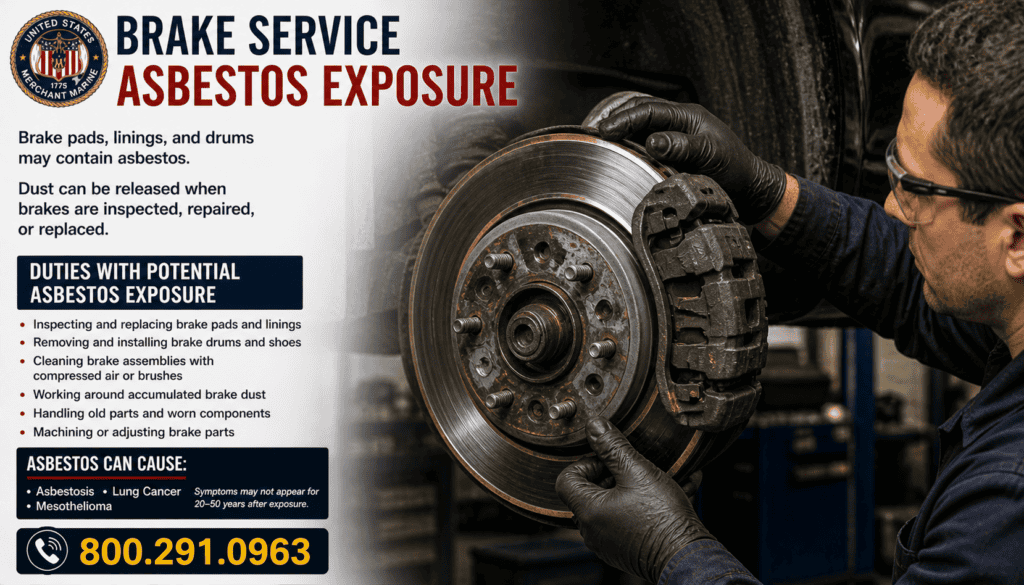
Brake lathe asbestos exposure was one of the most intense and direct forms of asbestos exposure in automotive repair shops. For decades, brake drums, rotors, pads, and shoes were manufactured with asbestos friction materials. When these components were machined on bench-mounted or on-car brake lathes, asbestos-containing material was shaved away at high speed, producing fine airborne dust.
Unlike general shop contamination, brake lathe work placed mechanics inches from the source of exposure. The spinning action pulverized asbestos linings into microscopic fibers that remained suspended in the air, settling on clothing, tools, and shop surfaces. Because brake lathes were used repeatedly throughout the day, exposure was frequent, cumulative, and unavoidable.
Brake lathe work has been repeatedly identified as a high-risk asbestos exposure activity, strongly linked to mesothelioma and asbestos-related lung disease.
🔥 Why Brake Lathes Were Used in Auto Repair Shops
Brake lathes were a standard tool in automotive repair shops because they allowed mechanics to:
-
Resurface brake drums and rotors
-
Restore proper braking surfaces
-
Reduce vibration and brake noise
-
Extend the life of brake components
-
Speed up brake service jobs
At the time, asbestos was considered an ideal friction material, and no warnings were provided about the danger of machining asbestos-containing components.
🧪 How Asbestos Exposure Occurred During Brake Lathe Use
Brake lathe operations released asbestos fibers through several common activities.
🛞 Turning Brake Drums and Rotors
As drums and rotors were machined, asbestos linings were shaved off and converted into fine airborne dust.
⚙️ Adjusting and Measuring Components
Handling and repositioning asbestos-containing parts released additional dust into breathing zones.
🌬️ Airborne Fiber Dispersion
Lathe operation created turbulence that kept asbestos fibers suspended in the air for extended periods.
🧹 Cleanup and Chip Removal
Removing metal shavings and brake dust from lathes disturbed asbestos residue accumulated during machining.
🧽 Shop Cleaning
Sweeping floors and wiping lathe surfaces re-released settled asbestos dust repeatedly.
👷 Workers Commonly Exposed to Brake Lathe Asbestos
Brake lathe asbestos exposure affected more than just the mechanic operating the lathe, including:
-
Brake service mechanics
-
Auto mechanics
-
Apprentices and helpers
-
Fleet garage workers
-
Shop supervisors and foremen
-
Nearby technicians and shop staff
Because brake lathes were often centrally located, asbestos fibers spread throughout the shop.
🫁 Diseases Linked to Brake Lathe Asbestos Exposure
Inhaled asbestos fibers lodged in lung tissue and the pleura, leading to serious diseases decades later.
Common asbestos-related illnesses include:
-
Mesothelioma
-
Asbestos-related lung cancer
-
Asbestosis
-
Pleural plaques and thickening
Mesothelioma is particularly associated with high-intensity occupational exposure, such as that caused by brake lathe machining.
⏳ Long Latency Period and Delayed Diagnosis
Most automotive workers exposed through brake lathe use were diagnosed 20 to 50 years after exposure. Because brake machining was considered routine and safe, workers were rarely warned about asbestos risks.
This long latency often resulted in diagnosis at advanced stages.
⚖️ Legal Options for Brake Lathe Asbestos Exposure
Workers exposed to asbestos through brake lathe operations may qualify for compensation through:
-
Personal injury lawsuits
-
Asbestos trust fund claims
-
Wrongful death lawsuits (for surviving families)
Claims are filed against manufacturers of asbestos-containing brake components, not against repair shop employers.
📄 Evidence Used in Brake Lathe Asbestos Claims
Successful claims often rely on:
-
Medical records confirming asbestos-related disease
-
Employment history at automotive repair shops or fleet garages
-
Job duties involving brake machining or lathe operation
-
Identification of asbestos-containing brake brands
-
Coworker testimony describing lathe use practices
Experienced asbestos attorneys use automotive exposure databases to identify responsible manufacturers.
💰 Compensation Available for Brake Lathe Asbestos Exposure
Compensation may include:
-
Medical treatment and long-term care costs
-
Lost wages and reduced earning capacity
-
Pain and suffering
-
Travel and caregiving expenses
-
Loss of quality of life
Because brake lathe exposure was intense and repeated, these claims often result in substantial settlements.
🏦 Asbestos Trust Funds and Brake Lathe Exposure
Many brake manufacturers later filed for bankruptcy and established asbestos trust funds. Automotive workers may qualify for multiple trust fund claims, often alongside lawsuits.
Trust fund claims provide compensation without trial and are often processed faster.
⏱️ Statute of Limitations for Brake Lathe Claims
Filing deadlines vary by state and generally begin on:
-
The date of diagnosis, or
-
The date the illness was linked to asbestos exposure
Missing deadlines can permanently bar compensation, making early legal review essential.
⚖️ Why Brake Lathe Asbestos Claims Are Strong
These claims are often successful because:
-
Asbestos use in brake linings is well documented
-
Lathe machining created concentrated airborne exposure
-
Workers were positioned directly in breathing zones
-
Medical causation is clearly established
-
Manufacturers failed to warn of machining hazards
Courts consistently recognize brake lathe operation as a high-risk asbestos exposure activity.
🧑⚖️ Role of Experienced Automotive Asbestos Attorneys
Brake lathe cases require attorneys who understand:
-
Automotive brake service procedures
-
Historical brake manufacturing practices
-
Occupational exposure reconstruction
-
Multi-defendant asbestos litigation
-
Trust fund coordination
Strategic representation often results in significantly higher compensation.
📞 Legal Help for Brake Lathe Asbestos Exposure
If you worked in an automotive repair shop operating brake lathes and were later diagnosed with mesothelioma or another asbestos-related disease, legal help may be available.
📞 Call 800-291-0963 for a free case review
✔ No upfront costs
✔ Nationwide representation
✔ Complete automotive exposure investigation
✔ Help with lawsuits and asbestos trust fund claims