🛑🛠️ Railroad Brake Shops Mesothelioma & Asbestos Exposure
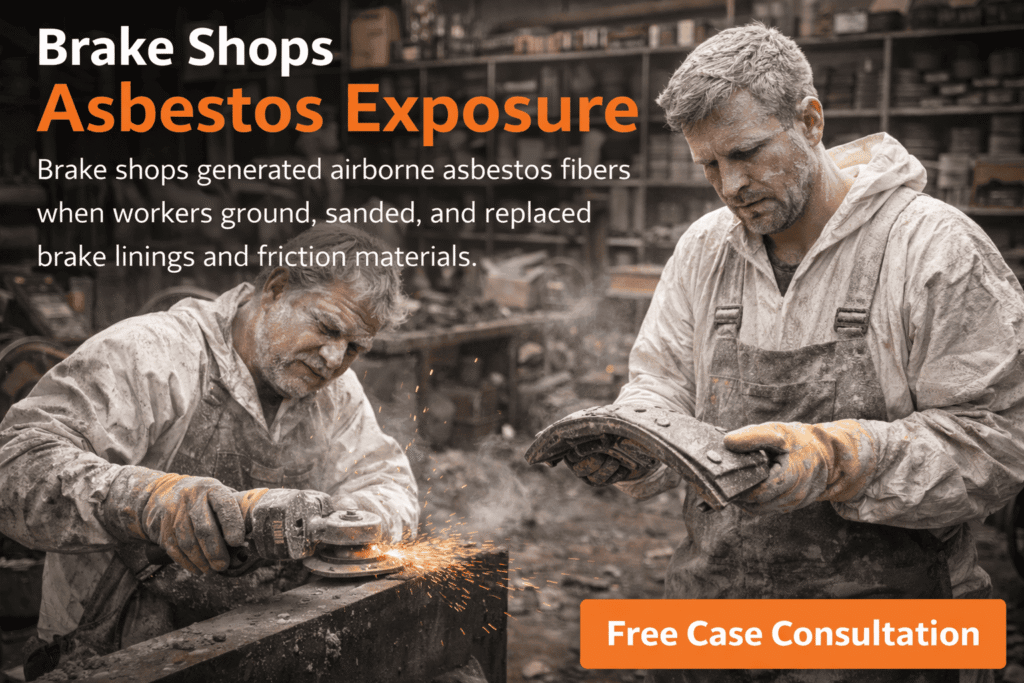
For decades, railroad brake shops were among the most asbestos-contaminated work environments in the rail industry. These facilities specialized in the inspection, resurfacing, rebuilding, and replacement of brake shoes, pads, and friction components—many of which were manufactured with asbestos to withstand extreme heat and pressure. Daily brake work released dense asbestos dust into the air, placing workers at exceptionally high risk.
Brake shops were typically enclosed or semi-enclosed spaces where grinding, sanding, and cutting operations occurred continuously. As asbestos-containing brake materials wore down, fibers accumulated on floors, machinery, clothing, and ventilation systems. Workers often inhaled asbestos dust directly at close range without respirators or safety warnings. Over time, repeated exposure led many railroad brake shop workers to develop mesothelioma, asbestos-related lung cancer, and asbestosis years after their employment ended.
📌 What You’ll Learn From This Page
-
🧱 Why asbestos was widely used in railroad brake shops
-
🛠️ How brake servicing released asbestos fibers
-
👷 Which railroad workers faced the highest exposure risks
-
⚠️ Health conditions linked to brake shop asbestos exposure
-
⚖️ Legal and compensation options for affected workers
🧱 Why Asbestos Was Used in Railroad Brake Shops
Railroad braking systems generate extreme friction and heat, especially on long freight runs and downhill grades. Asbestos was used because it resisted heat, reduced wear, and maintained braking performance under heavy loads.
Asbestos was commonly found in:
-
🛑 Brake shoes and brake pads
-
🔩 Brake linings and friction blocks
-
⚙️ Bonding agents and adhesives
-
🧰 Heat-resistant brake assemblies
-
🧯 Insulation near brake housings
At the time, asbestos was viewed as essential for railroad safety. Unfortunately, the dangers of inhaling asbestos dust during brake work were not disclosed to workers.
🛠️ Brake Shop Tasks That Released Asbestos Fibers
Brake shop operations involved constant handling of asbestos-containing components. Many routine tasks produced heavy clouds of asbestos dust.
High-risk brake shop tasks included:
-
🪚 Grinding and sanding worn brake shoes
-
🛠️ Resurfacing brake linings
-
🔧 Removing and installing new brake components
-
🧹 Sweeping and cleaning brake dust from shop floors
-
🧽 Using compressed air to clean brake assemblies
Grinding and sanding were especially dangerous, releasing fibers directly into workers’ breathing zones at close range.
🏭 Where Asbestos Exposure Occurred in Brake Shops
Asbestos exposure occurred throughout brake shop facilities, including:
-
🏚️ Grinding and resurfacing stations
-
🛑 Brake inspection benches
-
🧰 Parts cleaning and preparation areas
-
🧹 General shop floors and walkways
-
⚙️ Adjacent repair bays and storage areas
Because dust settled on clothing and equipment, asbestos exposure often continued beyond the immediate work area.
👷 Railroad Workers Most at Risk
Brake shops exposed many railroad occupations to asbestos, not just those directly grinding brakes.
High-risk job roles included:
-
👨🔧 Railroad brake workers
-
🛠️ Carmen and railcar repairmen
-
🧰 Maintenance mechanics
-
🧹 Shop laborers and cleaners
-
🚂 Yard workers assigned to brake inspections
Many workers were visibly covered in brake dust by the end of each shift, unknowingly inhaling asbestos fibers daily.
⚠️ Health Risks Linked to Brake Shop Asbestos Exposure
Asbestos fibers released in brake shops are easily inhaled and can lodge deep within lung tissue. Over time, this exposure leads to serious and often fatal diseases.
Common asbestos-related illnesses include:
-
🩺 Mesothelioma – A rare cancer affecting the lining of the lungs or abdomen
-
🫁 Asbestos-related lung cancer – Increased cancer risk from prolonged exposure
-
😮💨 Asbestosis – Progressive lung scarring that restricts breathing
Because these diseases develop slowly, many brake shop workers are diagnosed decades after exposure.
🧬 Why Brake Shop Asbestos Diseases Have Long Latency Periods
Asbestos fibers do not break down inside the body. Instead, they cause chronic inflammation and cellular damage over time. Many railroad workers felt healthy for years after leaving brake shops before symptoms appeared.
Common delayed symptoms include:
-
Persistent coughing
-
Shortness of breath
-
Chest pain or tightness
-
Fatigue and unexplained weight loss
Early diagnosis is difficult, making legal and medical support critical.
⚖️ How a Mesothelioma Lawyer Can Help Brake Shop Workers
An experienced mesothelioma lawyer understands how asbestos exposure occurred in railroad brake shops and can help victims pursue compensation.
A lawyer can help by:
-
📂 Investigating brake shop employment and job duties
-
🏭 Identifying brake manufacturers and asbestos suppliers
-
🧾 Filing asbestos trust fund claims
-
🏛️ Pursuing personal injury lawsuits
-
🕊️ Filing wrongful death claims for surviving families
Most cases are handled on a contingency basis—no upfront legal fees required.
💰 Compensation Options for Brake Shop Asbestos Exposure
Railroad brake shop workers exposed to asbestos may qualify for compensation through:
-
🏦 Asbestos trust funds
-
⚖️ Lawsuit settlements or jury verdicts
-
👨👩👧 Compensation for surviving family members
Compensation may help cover medical expenses, lost income, and long-term family support.
❓ Frequently Asked Questions (FAQs)
❓ Did railroad brake shops really contain asbestos?
Yes. Brake shoes, linings, and friction materials commonly contained asbestos.
❓ Is grinding brake components dangerous?
Yes. Grinding and sanding brake materials released concentrated asbestos dust.
❓ Can brake shop exposure cause mesothelioma?
Yes. Long-term inhalation of asbestos fibers is a known cause of mesothelioma.
❓ How long after exposure do symptoms appear?
Symptoms typically appear 20–50 years after exposure.
❓ Can families file claims if a worker has passed away?
Yes. Families may pursue wrongful death and asbestos trust claims.
📞 Free Mesothelioma Case Evaluation
If you or a loved one worked in railroad brake shops and later developed mesothelioma or lung disease, help is available now.
📲 Call 800-291-0963
✅ No upfront costs
✅ No fees unless compensation is recovered
✅ Nationwide legal assistance
✅ Full exposure investigation included