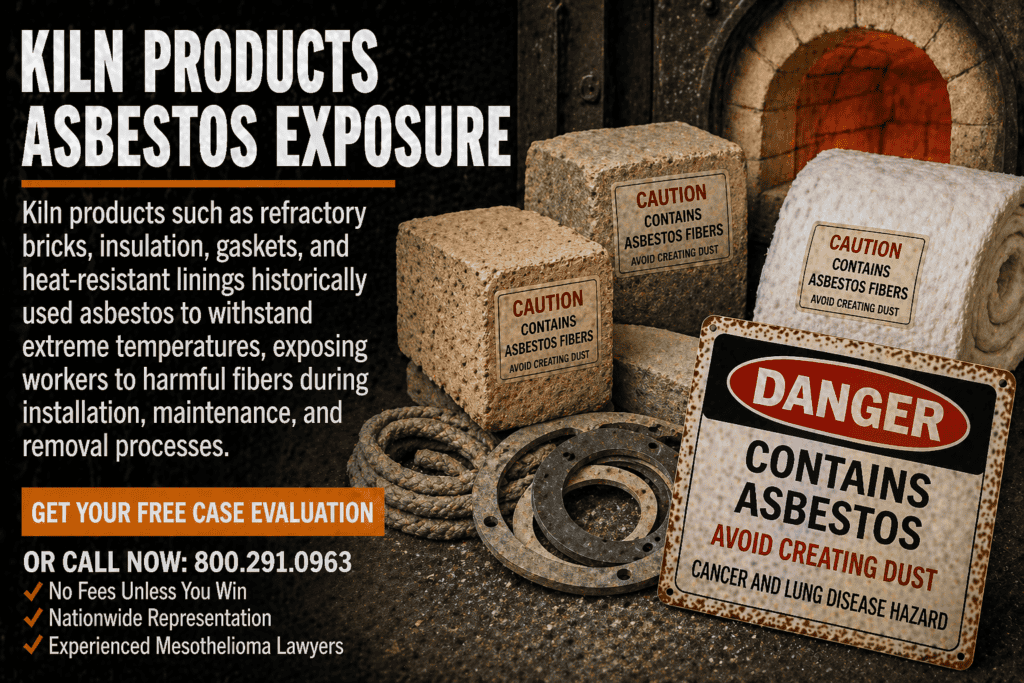
🔥 Kiln Asbestos Products Mesothelioma Lawsuit
If you or a loved one has been diagnosed with mesothelioma or asbestos lung cancer due to exposure from kiln asbestos products, you may qualify to file a kiln asbestos mesothelioma lawsuit. Our legal team helps workers, veterans, and families pursue financial compensation by identifying the companies responsible for asbestos exposure—often due to unsafe kiln manufacturing and a lack of safety warnings. We carefully build strong cases based on occupational histories, including asbestos exposure from kiln linings, bricks, insulation, gaskets, cement, and protective gear.
Through kiln asbestos lawsuits, victims may secure compensation for medical bills, lost wages, pain and suffering, long-term care, and wrongful death. At Mesothelioma Help Center, we guide families through every step of the process—with no upfront fees, and no payment unless we win. Our attorneys have decades of experience achieving verdicts, settlements, and trust fund claims, holding negligent corporations accountable.
📖 Here’s What You’ll Learn When You Read This Page:
🔥 Kiln bricks, linings, and insulation often contained asbestos.
🛠️ Workers were exposed while building, repairing, and operating kilns.
🏭 Asbestos kilns were used in ceramics, glass, and manufacturing industries.
📑 Victims have successfully filed lawsuits and asbestos trust fund claims.
📌 Facts About Asbestos in Kiln Products
• Kilns used asbestos to withstand extreme heat and prevent cracks
• Exposure Risk: High during kiln construction, repairs, and demolition
• Diseases: Mesothelioma, asbestosis, and lung cancer common among kiln workers
• Dust spread easily inside enclosed facilities
• Similar Occupations: Bricklayers, masons, ceramics workers, glassmakers, maintenance crews
🏛️ History of Asbestos Use in Kiln Products
From the 1920s through the 1970s, asbestos was added to kiln bricks, insulation boards, and linings because of its fireproofing and heat-resistant qualities. Kilns in ceramics plants, pottery shops, steel foundries, and glass factories were heavily reinforced with asbestos materials.
Unfortunately, cutting, repairing, and demolishing kilns released hazardous asbestos fibers. Bricklayers, kiln operators, and maintenance crews inhaled asbestos dust daily, often without protective equipment, leading to long-term occupational diseases.
📊 Number of U.S. Workers Exposed to Asbestos from Kiln Products
| Occupational Group | Estimated Number of Workers Exposed |
|---|---|
| Bricklayers & Masons | Over 410,000 exposed while building asbestos kilns. |
| Kiln Operators | Nearly 300,000 exposed during daily kiln use. |
| Foundry & Steel Workers | About 250,000 exposed repairing kiln linings. |
| Pottery & Ceramics Workers | Roughly 230,000 exposed while firing asbestos-lined kilns. |
| Glassmakers | Around 180,000 exposed operating high-temperature asbestos kilns. |
| Maintenance & Repair Crews | Over 150,000 disturbed asbestos during repairs. |
Total Estimated Exposure:
More than 1.5 million U.S. workers faced asbestos exposure from kilns.
🔥 Asbestos Kiln Products
🔥 Kiln Bricks
Asbestos was mixed into kiln firebricks for strength. Cutting, stacking, or replacing these bricks released fibers, exposing masons, bricklayers, and operators inside high-temperature workplaces.
🔥 Kiln Linings
Industrial kilns were lined with asbestos sheets for insulation. Repairs or demolition disturbed fibers, heavily contaminating ceramic plants, foundries, and glass factories.
🔥 Insulation Boards
Asbestos boards surrounded kilns to retain heat. Maintenance crews cutting or removing damaged panels released asbestos fibers into confined industrial spaces.
🔥 Gaskets & Seals
Asbestos gaskets sealed kiln doors and joints. Removing or replacing these seals during maintenance disturbed asbestos, exposing technicians and operators.
🔥 Cement & Mortar
Asbestos cement and mortar were used to bond kiln bricks. Mixing or removing these products released asbestos fibers into air across worksites.
🔥 Protective Gear
Kiln operators wore asbestos aprons, mitts, and coats for protection. Fibers released from daily use and laundering exposed workers and their families.
👷 Types of Workers & Asbestos Exposure from Kiln Products
👷 Bricklayers & Masons
Built kilns with asbestos bricks and mortar. Cutting and laying bricks generated asbestos dust that lingered across worksites.
👷 Kiln Operators
Fired and maintained asbestos-lined kilns. Routine use released asbestos fibers inside poorly ventilated industrial areas.
👷 Pottery & Ceramics Workers
Fired ceramics in asbestos-lined kilns. Everyday exposure occurred in classrooms, shops, and factories.
👷 Glassmakers
Used high-temperature kilns with asbestos insulation. Breaking linings or bricks during production exposed workers.
👷 Foundry Workers
Relied on asbestos kilns for melting metals. Demolition and repair spread asbestos dust across foundry floors.
👷 Maintenance Crews
Repaired and replaced asbestos bricks, linings, and gaskets. Routine jobs disturbed fibers in tight quarters.
👷 Demolition Crews
Tore down old asbestos kilns during plant upgrades. Breaking bricks and insulation spread asbestos widely.
👷 Teachers & Students
Pottery classrooms used asbestos kilns. Students and educators inhaled asbestos fibers unknowingly during routine coursework.
❓ FAQs About Kiln Products and Mesothelioma Lawsuits
Who qualifies?
Anyone diagnosed with mesothelioma or lung cancer after kiln asbestos exposure may qualify for compensation.
How did exposure happen?
Kilns used asbestos in bricks, linings, insulation, and seals. Cutting, repairing, or demolition released asbestos dust.
Are veterans eligible?
Yes. Veterans exposed to asbestos kilns in shipyards, bases, and military foundries may qualify for VA benefits and lawsuits.
What’s the filing deadline?
Most states allow 1–3 years from diagnosis or death to file asbestos lawsuits. Immediate action helps preserve rights.
Do I pay anything upfront?
No. Our kiln asbestos attorneys work on contingency—clients pay nothing unless compensation is recovered.
🏭 Manufacturers of Kiln Asbestos Products
🏭 Johns-Manville – Produced asbestos kiln bricks and insulation boards. Bricklayers and kiln operators inhaled asbestos fibers during installation and repair of these high-heat products in factories and plants.
🏭 Armstrong Cork Company – Manufactured asbestos insulation panels for kiln walls. Workers cutting, fitting, or replacing boards were exposed to asbestos dust inside ceramics shops and foundries.
🏭 Eagle-Picher – Supplied asbestos cement and mortar used in kilns. Masons and bricklayers inhaled asbestos fibers mixing and applying these products.
🏭 Owens-Corning – Distributed asbestos insulation materials for kiln linings. Foundry workers and maintenance crews encountered exposure while repairing industrial kilns.
🏭 GAF Corporation – Made asbestos protective gear for kiln operators, including aprons, gloves, and coats. Fibers released during use and laundering endangered workers and families.
🏭 Harbison-Walker Refractories – Manufactured asbestos kiln bricks and refractories. Workers were heavily exposed handling, cutting, and installing these asbestos-based products.
🔥 Kiln Asbestos Products Mesothelioma Cases
From the early 1900s through the 1980s, asbestos was widely used in kiln products because of its unmatched heat resistance, durability, and insulating properties. Kilns — essential in industries such as ceramics, metallurgy, glassmaking, brick manufacturing, and foundry work — operated at extreme temperatures that required asbestos-containing bricks, insulation boards, refractory cement, gaskets, and sealing materials. Workers installing, repairing, or cleaning these high-heat units often disturbed asbestos fibers, releasing them into the air. Over decades, kiln operators, maintenance crews, and factory workers inhaled these fibers, leading to mesothelioma years or even decades after exposure.
👥 Who Qualifies
Individuals diagnosed with mesothelioma after working with or near asbestos-containing kiln products — including kiln operators, ceramic workers, foundry employees, refractory installers, and maintenance staff — may qualify for compensation. Family members exposed to asbestos fibers brought home on work clothing may also be eligible.
📊 Statistics
-
Thousands of mesothelioma cases in the U.S. have been linked directly to exposure from kiln linings, insulation, and sealing products.
-
Many workers were exposed during kiln installation, refractory replacement, and high-temperature equipment servicing.
-
Kiln-related mesothelioma settlements frequently exceed six figures, with many victims receiving compensation through asbestos trust funds and lawsuits.
🔥 Kiln Asbestos Products Asbestos Lung Cancer Cases
Kiln environments were also a significant source of asbestos-related lung cancer, particularly for workers involved in installation, maintenance, and demolition. Routine tasks — such as replacing refractory linings, removing old insulation, or sealing kiln doors — released dangerous asbestos fibers into confined, poorly ventilated spaces. Long-term exposure dramatically increased lung cancer risk among industrial workers, even decades after leaving the job.
👥 Who Qualifies
Individuals diagnosed with asbestos-related lung cancer who worked with or around kiln components — including refractory installers, glass and ceramic workers, furnace operators, and foundry personnel — may qualify for compensation. Family members exposed secondhand may also be eligible for claims.
📊 Statistics
-
Thousands of asbestos-related lung cancer claims have been filed by kiln workers and maintenance crews exposed to airborne fibers.
-
Many successful claims have resulted in substantial settlements and trust fund payouts to help cover treatment, lost wages, and medical expenses.
📜 History of Mesothelioma and Asbestos Lung Cancer From Kiln Products
-
1920s–1970s: Asbestos was standard in kiln construction and maintenance, used in bricks, insulation, gaskets, and sealing materials. Workers frequently handled these products without protective equipment.
-
1980s: Federal safety regulations reduced asbestos use, but older kilns continued to expose workers during maintenance and decommissioning.
-
Today: Many diagnosed individuals include foundry workers, refractory specialists, ceramic industry employees, and glass plant operators exposed decades earlier while servicing or operating asbestos-insulated kilns.
⚖️ How a Mesothelioma Lawyer Can Help Kiln Workers
If you or a loved one worked with or around asbestos kiln products and later developed mesothelioma, lung cancer, or asbestosis, legal support is available.
How a Mesothelioma Lawyer Can Help
🔎 Investigate Job Sites & Exposure Records – Attorneys trace asbestos kiln use in ceramics plants, glass factories, and foundries.
📑 File Trust Fund Claims & Lawsuits – Compensation for treatment costs, lost income, and ongoing care.
👨👩👧 Represent Families of Victims – Wrongful death lawsuits bring justice and financial security.
💵 Work on a No-Win, No-Fee Basis – Clients pay nothing upfront. Attorneys only receive fees after successful recovery.
🎖️ Assist Veterans – Help filing VA claims for asbestos kiln exposure in shipyards and military facilities.
📞 Legal Help for Kiln Asbestos Exposure
If you or a loved one worked with asbestos kiln products and developed mesothelioma, lung cancer, or asbestosis—you may be entitled to financial compensation.
📱 Call Now: 800.291.0963
• No upfront cost
• No fees unless we win
• Product and exposure research included
• Help for bricklayers, operators, foundry workers, and families
Or request help online 24/7