🔧 Bestobell Steam Traps – Asbestos Exposure from Steam Equipment and Industrial Systems
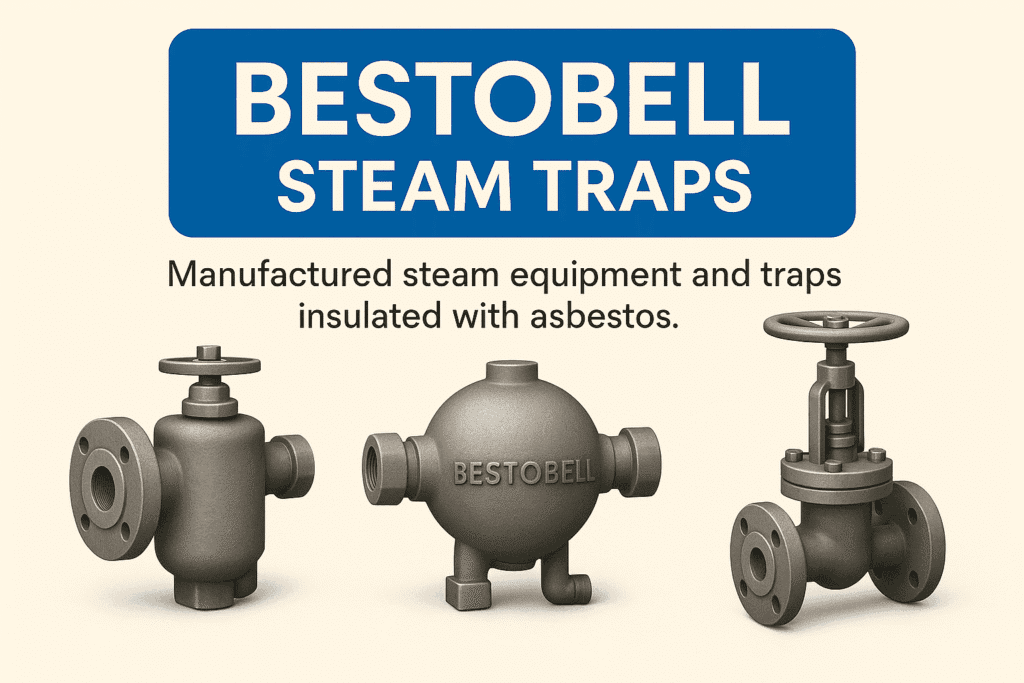
Bestobell Steam Traps was a well-known manufacturer of industrial steam equipment, including traps, valves, and controls. For decades, their products were commonly insulated with asbestos to withstand extreme heat and pressure. This insulation exposed thousands of plant workers, pipefitters, boiler technicians, and maintenance crews to harmful asbestos fibers during installation, repair, and use.
🏭 Company Overview
-
Founded: Mid-20th century
-
Headquarters: United Kingdom (with U.S. operations and distribution)
-
Primary Products: Steam traps, valves, condensate systems
-
Asbestos Use Period: 1940s–1980s
-
Trust Fund: ❌ None established
-
Current Status: Brand phased out or absorbed into larger industrial firms
Bestobell’s steam traps were found in factories, refineries, power plants, chemical plants, and ship engine rooms, where high-heat piping systems were essential.
⚠️ How Asbestos Was Used
Asbestos was used to insulate Bestobell’s steam equipment because of its:
-
🔥 Heat resistance
-
🧯 Fireproofing ability
-
🧱 Durability under pressure
The most common asbestos-containing materials used with Bestobell equipment included:
-
Asbestos wrap insulation on traps and valves
-
Gaskets and flange seals
-
Packing materials and joints
-
Boiler room piping insulation (in systems using their products)
👷 Who Was Exposed?
Thousands of tradesmen and laborers came into contact with asbestos while working with or around Bestobell products:
-
🔧 Pipefitters and steamfitters
-
🧰 Industrial maintenance mechanics
-
🧑🏭 Boiler technicians
-
🏭 Power plant and refinery workers
-
🚢 Shipyard engineers and machinists
-
🧱 Insulation contractors
Exposure typically occurred during routine servicing, installation, or retrofitting of steam traps and surrounding piping systems.
⚖️ Lawsuits and Legal History
Although Bestobell was not a U.S.-based asbestos manufacturer, its equipment distributed in the U.S. contributed to asbestos exposure. Workers who became ill after handling or working near Bestobell steam traps have filed lawsuits, often naming:
-
The contractors who installed the products
-
Distributors of Bestobell equipment
-
Plant owners who failed to provide protective measures
Bestobell was occasionally named in third-party lawsuits as a contributing source of asbestos exposure in industrial job sites.
📜 Notable Legal Developments
-
🔍 Bestobell has not created a trust fund
-
🧾 However, victims may be eligible for compensation through multi-defendant litigation
-
⚖️ Cases involving asbestos exposure from steam systems often involve multiple product manufacturers and contractors
📅 Timeline of Asbestos Exposure
| Period | Key Events | Exposure Risk |
|---|---|---|
| 1940s–1960s | Asbestos routinely used on traps & pipes | High |
| 1970s–1980s | Asbestos use declines, but still common | Medium–High |
| 1990s–Today | Legacy exposure from older systems | Medium (during repair or demolition) |
📊 Exposure Estimates
👷 Workers Exposed via Bestobell Products
| Occupation Group | Estimated Number Exposed |
|---|---|
| Steamfitters & pipefitters | 8,000+ |
| Industrial mechanics | 6,000+ |
| Power plant & refinery workers | 4,000+ |
| Ship engineers and boiler workers | 2,000+ |
➡️ Total Estimated Exposure (Direct Workers): ~20,000+
🌍 Broader Exposure from Installed Products
| Group | Estimated Number Exposed |
|---|---|
| Cleanup crews & demolition workers | 3,000+ |
| Nearby trades (electricians, HVAC) | 2,000+ |
| Secondhand household exposure | 1,500+ |
➡️ Total Indirect Exposure Estimate: ~6,500+
🪖 Military and Shipyard Exposure
Bestobell steam traps were also found on Navy vessels and military installations, leading to asbestos exposure among:
-
🧰 Naval boiler technicians and machinists
-
🔧 Shipyard repair crews
-
🛠️ Marine engineers and system installers
Veterans who worked on military ships or in engine rooms may have been unknowingly exposed to asbestos in Bestobell products and insulation.
❓ Frequently Asked Questions (FAQ)
⚖️ Can I still file a lawsuit for exposure from Bestobell steam traps?
✅ Yes. Even though Bestobell did not manufacture asbestos itself, lawsuits can be filed against companies whose equipment used asbestos components, especially if you developed an asbestos-related illness.
📅 Is it too late to file?
Not necessarily. Most states start the clock at the time of diagnosis, not the time of exposure. Legal claims may still be valid today.
🧾 What do I need to prove exposure?
-
Worksite documentation or testimony
-
Maintenance records showing use of Bestobell equipment
-
A confirmed diagnosis of mesothelioma, lung cancer, or asbestosis
📉 Current Status
-
🏭 Bestobell products are no longer widely manufactured
-
❌ No dedicated asbestos trust fund exists
-
⚖️ The company has been named in asbestos litigation tied to steam trap usage
-
🧾 Exposure continues during demolition or renovation of old systems
📌 Summary Snapshot – Bestobell Steam Traps
| 🏢 | Founded | Mid-1900s |
|---|---|---|
| 🔧 | Industry | Steam Equipment & Controls |
| ⚠️ | Exposure Source | Insulated traps, gaskets, seals |
| 👷 | At-Risk Workers | Pipefitters, plant workers, engineers |
| ⚖️ | Lawsuits Filed | Yes – third-party litigation |
| ❌ | Trust Fund | None |
🧑⚖️ How a Mesothelioma Lawyer Can Help
A skilled attorney can assist with:
- Determining the acoustic products you worked with
• Investigating building records and installation history
• Filing asbestos trust claims or lawsuits
• Ensuring legal deadlines are met
• Representing educators, tradespeople, and families
• No legal fees unless compensation is awarded
📞 Free Legal Help for Acoustic Exposure
If you or someone you love was exposed to acoustic ceiling or wall products and later diagnosed with mesothelioma, lung cancer, or asbestosis—you may qualify for compensation.
Call Now: 800.291.0963
• Free consultation
• No fees unless we win
• Product identification support
• Help for teachers, workers, building staff, and families
Or request help online 24/7