Guide to Asbestos Trust Fund Claims - (800) 291-0963

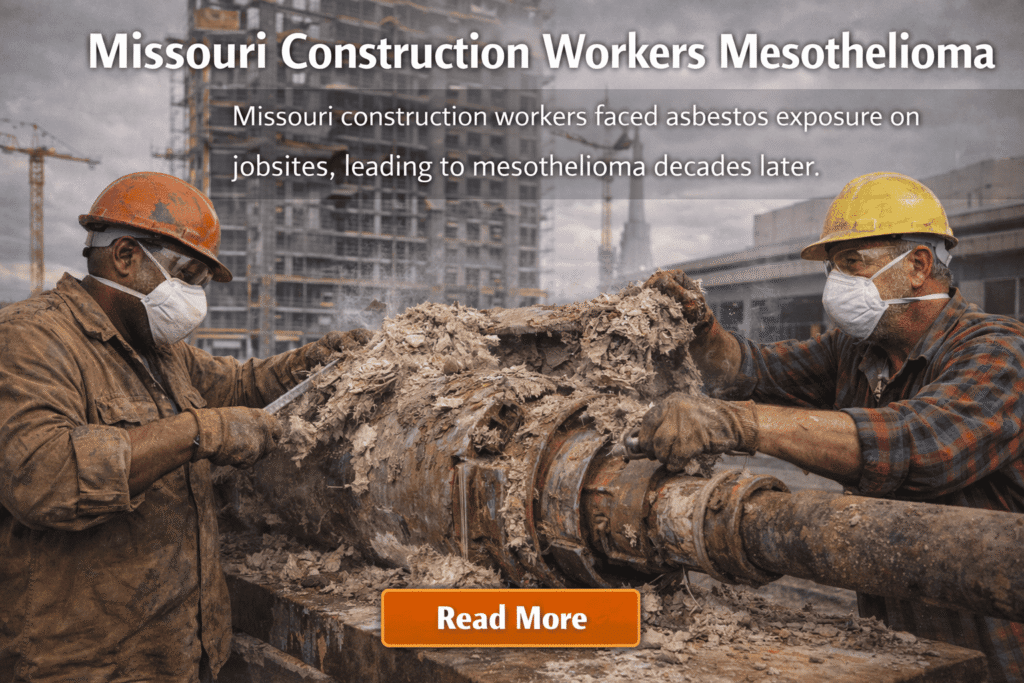
Missouri Construction Workers Mesothelioma

Missouri Construction Workers Mesothelioma Lawsuit

🏗️ Missouri Construction Workers and Mesothelioma

How Missouri Construction Trades Were Exposed to Asbestos on Residential, Commercial, Industrial, and Public Building Projects

For much of the twentieth century, asbestos was widely used throughout Missouri’s construction industry. Contractors and construction workers installed asbestos-containing products in homes, schools, hospitals, factories, power plants, warehouses, office buildings, government facilities, apartment buildings, and other structures.

Asbestos was valued because it resisted heat and fire, strengthened construction products, reduced sound transmission, and helped insulate buildings and mechanical systems.

Missouri construction workers could encounter asbestos during:

  • New construction
  • Building additions
  • Remodeling projects
  • Maintenance work
  • Equipment replacement
  • Fire restoration
  • Water-damage repairs
  • Industrial shutdowns
  • Building renovation
  • Structural demolition

Carpenters, electricians, plumbers, pipefitters, insulators, roofers, painters, flooring installers, drywall workers, laborers, heavy-equipment operators, and demolition crews often disturbed asbestos-containing materials while performing routine work.

Cutting, drilling, sanding, grinding, scraping, breaking, or removing these products could release microscopic asbestos fibers into the air.

Workers might inhale fibers without realizing exposure had occurred because asbestos dust may not have had a noticeable smell or immediate health effect.

For a broader overview of occupational exposure throughout the state, visit Missouri Asbestos Exposure Lawsuits.


🔥 Why Asbestos Was Used in Missouri Construction

Before its health risks became widely recognized, asbestos was considered an effective and affordable construction material.

Manufacturers added asbestos fibers to hundreds of building products because asbestos:

  • Resisted fire
  • Withstood high temperatures
  • Strengthened cement products
  • Improved product durability
  • Reduced heat transfer
  • Provided sound insulation
  • Resisted moisture
  • Reduced wear
  • Provided electrical insulation
  • Helped buildings meet fire-safety requirements

Asbestos-containing materials could be installed from the basement boiler room to the roof.

A single Missouri construction project might contain asbestos in insulation, flooring, ceilings, walls, roofing, electrical equipment, mechanical systems, cement panels, and fireproofing materials.

Workers from several trades could therefore experience exposure during different phases of the same project.

Additional information about products used at Missouri jobsites is available in Missouri Industrial Asbestos Products.


🏠 Residential Construction and Home Renovation

Missouri residential construction workers helped build and renovate:

  • Single-family homes
  • Apartment buildings
  • Duplexes
  • Condominiums
  • Public housing
  • Retirement communities
  • Residential additions
  • Garages
  • Basements
  • Utility buildings

Older homes and apartment buildings could contain asbestos in:

  • Floor tiles
  • Flooring adhesives
  • Ceiling textures
  • Drywall compound
  • Plaster
  • Pipe insulation
  • Furnace insulation
  • Heating ducts
  • Roofing shingles
  • Siding
  • Cement board
  • Electrical components

Carpenters, flooring installers, plumbers, electricians, roofers, painters, and remodeling contractors could disturb these products while replacing floors, opening walls, upgrading wiring, repairing plumbing, or removing old roofing and siding.

Residential demolition could create especially heavy dust when workers tore through multiple asbestos-containing materials without first identifying them.


🏢 Commercial Construction Projects

Missouri construction workers built and renovated offices, shopping centers, hotels, restaurants, banks, theaters, warehouses, and other commercial buildings.

These structures often required extensive fireproofing, mechanical systems, heating equipment, electrical components, and durable flooring materials.

Potential asbestos sources included:

  • Spray-applied fireproofing
  • Structural steel coatings
  • Ceiling tiles
  • Acoustic panels
  • Floor tiles
  • Flooring mastic
  • Boiler insulation
  • Pipe coverings
  • HVAC insulation
  • Roofing materials
  • Wallboard
  • Fire doors
  • Electrical panels
  • Gaskets and packing

Commercial remodeling projects could disturb asbestos hidden above suspended ceilings, inside walls, beneath floors, and around mechanical equipment.

Workers opening these spaces could release fibers that spread through occupied areas and ventilation systems.


🏭 Industrial Construction and Plant Projects

Industrial construction workers helped build, expand, maintain, and renovate Missouri factories, processing plants, refineries, power facilities, manufacturing buildings, and heavy industrial sites.

Industrial construction projects frequently involved:

  • Boilers
  • Furnaces
  • Kilns
  • Steam pipes
  • Pumps
  • Valves
  • Turbines
  • Compressors
  • Heat exchangers
  • Electrical systems
  • Tanks
  • Industrial machinery

These systems often required asbestos insulation, gaskets, packing, refractory products, cement materials, and fire-resistant components.

Construction workers could be exposed while installing new equipment, removing old machinery, replacing insulation, repairing steam systems, or performing plant shutdown work.

Industrial contractors should also review:


🏫 Public and Institutional Construction

Missouri construction trades also worked on:

  • Schools
  • Universities
  • Hospitals
  • Courthouses
  • City halls
  • Libraries
  • Police stations
  • Fire stations
  • Correctional facilities
  • Government offices
  • Community centers
  • Public housing

Many public buildings constructed during periods of widespread asbestos use contained asbestos in flooring, ceilings, insulation, fireproofing, roofing, boilers, pipes, HVAC systems, and electrical equipment.

Construction and maintenance crews could be exposed while renovating classrooms, replacing hospital mechanical systems, modernizing courthouses, upgrading electrical systems, or demolishing older public facilities.

Learn more at Missouri Public and Government Buildings Asbestos Exposure.


🧱 Drywall, Plaster, and Joint Compound

Drywall workers, plasterers, carpenters, painters, and laborers could encounter asbestos in wall systems.

Asbestos was sometimes used in:

  • Joint compound
  • Texture coatings
  • Plaster
  • Wallboard
  • Cement panels
  • Fire-resistant panels
  • Patching compounds

Installing drywall often required workers to apply several layers of joint compound and sand each layer smooth.

Sanding asbestos-containing joint compound could generate fine dust that spread throughout the work area.

Workers performing renovations could also be exposed while cutting walls, removing damaged plaster, drilling through wallboard, or demolishing interior partitions.


🧱 Asbestos Cement, Siding, and Building Panels

Asbestos fibers were added to cement products to increase strength and resistance to fire, moisture, and weather.

Missouri construction workers encountered asbestos cement in:

  • Exterior siding
  • Roofing panels
  • Wall panels
  • Ceiling panels
  • Cement board
  • Pipes
  • Flues
  • Drainage products
  • Utility conduits
  • Decorative panels

Carpenters, siding installers, roofers, laborers, and utility workers could release fibers while sawing, drilling, cutting, breaking, or removing asbestos cement products.

Demolition crews sometimes shattered these materials, producing dust that contaminated surrounding work areas.


🔥 Insulation and Fireproofing Materials

Insulators and construction crews installed asbestos-containing products around building systems that generated heat.

Common locations included:

  • Boilers
  • Furnaces
  • Steam pipes
  • Hot-water pipes
  • Tanks
  • Ductwork
  • Structural steel
  • Mechanical rooms
  • Utility tunnels
  • Fire-rated walls
  • Ceiling spaces

Asbestos insulation could be applied as pipe covering, block insulation, cement, cloth, blankets, spray-on coatings, or loose material.

Removing old insulation was often dusty work, especially when products had become dry, damaged, or brittle.

Workers in nearby trades could also experience bystander exposure when insulation crews mixed, cut, applied, or removed asbestos products.


⬜ Flooring, Tile, and Adhesive Products

Asbestos-containing flooring was installed in many Missouri homes, schools, hospitals, offices, factories, and government buildings.

Potential products included:

  • Vinyl floor tile
  • Asphalt tile
  • Sheet flooring
  • Linoleum backing
  • Flooring felt
  • Mastic
  • Adhesives
  • Underlayment

Flooring installers could be exposed while cutting tiles, sanding flooring, mixing adhesive, or preparing surfaces.

Renovation workers could release fibers while scraping old mastic, grinding floors, breaking tiles, or removing sheet flooring.

Custodians and building maintenance employees might also disturb damaged floor materials during long-term building use.


🏠 Roofing and Exterior Construction Materials

Missouri roofers and exterior construction workers encountered asbestos in products designed to withstand heat, weather, and moisture.

Common materials included:

  • Roofing felt
  • Roof shingles
  • Flashing materials
  • Roof coatings
  • Sealants
  • Cement products
  • Exterior siding
  • Insulation board
  • Gutters and drainage components

Workers could be exposed while cutting roofing materials, removing old shingles, scraping coatings, repairing flashing, or tearing off aging roof systems.

Roof replacement and demolition projects could produce significant dust when older materials were broken or mechanically removed.


⚙️ Boilers, Pipes, HVAC, and Mechanical Systems

Mechanical systems were major sources of asbestos exposure on Missouri construction sites.

Workers commonly encountered asbestos around:

  • Boilers
  • Steam pipes
  • Furnaces
  • HVAC ducts
  • Pumps
  • Valves
  • Compressors
  • Heat exchangers
  • Expansion joints
  • Hot-water tanks
  • Gaskets
  • Valve packing

Pipefitters, plumbers, boilermakers, HVAC technicians, insulators, electricians, and maintenance crews frequently worked in confined mechanical rooms where asbestos insulation and equipment components were present.

Removing pipe covering, scraping gaskets, replacing packing, and repairing boilers could release fibers directly into workers’ breathing areas.

Additional information is available in:


🚧 Renovation, Remodeling, and Demolition Work

Renovation and demolition workers faced some of the most concentrated asbestos exposure because they disturbed products that had remained inside buildings for decades.

High-risk activities included:

  • Tearing out walls
  • Removing ceilings
  • Breaking floor tile
  • Scraping flooring adhesive
  • Removing pipe insulation
  • Replacing boilers
  • Cutting cement panels
  • Removing roofing
  • Demolishing mechanical rooms
  • Clearing construction debris
  • Using power tools on older materials

Asbestos fibers released during demolition could remain suspended in the air and settle on tools, clothing, scaffolding, equipment, and surrounding surfaces.

Workers from other trades could be exposed even when they did not personally handle the asbestos-containing product.


👷 Missouri Construction Trades with the Highest Asbestos Exposure

Construction workers often worked alongside numerous skilled trades on the same project. While one crew installed or removed asbestos-containing materials, nearby workers could inhale airborne fibers released into the work area.

Missouri occupations that historically experienced some of the highest asbestos exposure included:

  • Carpenters
  • Drywall installers
  • Plasterers
  • Electricians
  • Pipefitters
  • Plumbers
  • Insulators
  • Boilermakers
  • HVAC technicians
  • Roofers
  • Flooring installers
  • Welders
  • Ironworkers
  • Painters
  • Laborers
  • Bricklayers
  • Cement finishers
  • Demolition workers
  • Heavy-equipment operators
  • Construction supervisors
  • Building inspectors
  • Maintenance mechanics
  • Mechanical contractors
  • General contractors

Because construction sites required multiple trades to work in close proximity, employees could experience both direct exposure from handling asbestos-containing products and bystander exposure from fibers released by nearby crews.


🔨 Carpenters and Finish Carpenters

Carpenters worked on nearly every phase of construction, remodeling, and demolition projects.

Common duties included:

  • Framing walls
  • Installing doors
  • Hanging drywall
  • Building ceilings
  • Installing trim
  • Constructing partitions
  • Remodeling interiors
  • Demolition
  • Roof framing
  • Window installation

While performing these tasks, carpenters frequently disturbed asbestos-containing:

  • Wallboard
  • Joint compound
  • Ceiling materials
  • Cement board
  • Fire doors
  • Roofing materials
  • Pipe chases
  • Floor underlayment
  • Structural fireproofing

Cutting walls, drilling openings, sanding drywall compound, removing ceilings, and demolition work often generated significant airborne dust.

Carpenters working in older Missouri buildings should also review Missouri Public and Government Buildings Asbestos Exposure.


🧱 Drywall Installers and Plasterers

Drywall workers and plasterers routinely handled wall systems that sometimes contained asbestos.

Their work commonly involved:

  • Hanging drywall
  • Applying joint compound
  • Sanding walls
  • Repairing plaster
  • Applying texture
  • Ceiling repairs
  • Wall demolition
  • Interior remodeling

Joint compound used before the late twentieth century sometimes contained asbestos.

Repeated sanding produced extremely fine dust that spread throughout homes, schools, hospitals, factories, and commercial buildings.

Removing older plaster walls during remodeling could also disturb asbestos-containing materials hidden behind finished surfaces.


⚡ Electricians

Electricians worked throughout Missouri construction projects installing and maintaining electrical systems.

Typical work included:

  • Running electrical conduit
  • Installing electrical panels
  • Wiring buildings
  • Replacing circuit breakers
  • Installing transformers
  • Connecting lighting systems
  • Servicing generators
  • Upgrading electrical equipment

Older buildings frequently contained asbestos around:

  • Electrical panels
  • Wire insulation
  • Fireproof wall assemblies
  • Mechanical rooms
  • Boiler rooms
  • Utility tunnels

Opening walls, drilling ceilings, removing insulation, and upgrading electrical systems often disturbed nearby asbestos-containing materials.

Additional information is available in Missouri Electricians Asbestos Exposure.


🚰 Plumbers and Pipefitters

Plumbers and pipefitters installed and repaired water, steam, gas, and drainage systems throughout Missouri buildings.

Common responsibilities included:

  • Installing pipes
  • Repairing steam lines
  • Replacing valves
  • Servicing pumps
  • Installing fixtures
  • Replacing gaskets
  • Repacking valves
  • Repairing boilers
  • Installing expansion joints
  • Pressure testing

Older steam systems frequently used asbestos insulation wrapped around pipes, valves, elbows, and fittings.

Repair work often required workers to remove deteriorated insulation before replacing damaged components.

Pipefitters and plumbers should also review:


🔥 Insulators and Boilermakers

Insulators intentionally installed insulation around equipment that generated heat.

Boilermakers and insulation workers frequently handled:

  • Boiler insulation
  • Pipe insulation
  • Block insulation
  • Insulating cement
  • Thermal blankets
  • Refractory materials
  • Fireproofing products
  • Pipe coverings
  • Expansion joints
  • Boiler doors

Because these workers handled asbestos products directly every day, they experienced some of the highest occupational exposures within the construction industry.

Removing old insulation during renovations often released large quantities of airborne fibers.


🏠 Roofers and Exterior Construction Workers

Roofers frequently worked with asbestos-containing roofing products.

Common materials included:

  • Roofing felt
  • Roof shingles
  • Flashing
  • Roof coatings
  • Cement roofing panels
  • Exterior siding
  • Waterproofing materials

Roof replacement often required workers to tear off decades-old roofing materials before installing new systems.

Breaking, sawing, scraping, and removing roofing products could generate substantial dust.


⬜ Flooring Installers

Missouri flooring contractors installed, repaired, and removed floor systems in homes, schools, hospitals, government buildings, offices, and factories.

Potential asbestos-containing materials included:

  • Vinyl floor tile
  • Asphalt floor tile
  • Sheet flooring
  • Flooring felt
  • Adhesives
  • Mastic
  • Underlayment

Exposure often occurred while:

  • Scraping adhesive
  • Grinding concrete
  • Breaking tile
  • Removing flooring
  • Sanding surfaces
  • Installing replacement flooring

Custodians and maintenance workers sometimes encountered similar exposures while repairing damaged flooring.


🎨 Painters and Finish Trades

Painters frequently prepared surfaces before painting older buildings.

Preparation work commonly involved:

  • Sanding walls
  • Removing texture
  • Repairing plaster
  • Scraping ceilings
  • Removing damaged drywall
  • Repairing trim
  • Preparing surfaces after demolition

Although painters rarely installed asbestos products themselves, they often disturbed materials that contained asbestos while preparing surfaces.

Dust generated during renovations could expose painters as well as nearby workers.


💥 Laborers and Demolition Workers

Laborers and demolition crews often performed the earliest stages of renovation and building removal.

Typical demolition activities included:

  • Tearing down walls
  • Removing ceilings
  • Breaking floor tile
  • Removing insulation
  • Pulling pipe
  • Removing boilers
  • Clearing debris
  • Loading dumpsters
  • Site cleanup

Demolition frequently disturbed multiple asbestos-containing products simultaneously.

Power tools, jackhammers, saws, grinders, and heavy equipment could release fibers throughout the work area.

Workers performing demolition should also review Missouri Industrial Asbestos Exposure.


🚜 Heavy Equipment Operators

Heavy-equipment operators supported construction and demolition by operating:

  • Excavators
  • Bulldozers
  • Backhoes
  • Cranes
  • Loaders
  • Skid steers
  • Compactors
  • Forklifts
  • Dump trucks

Although operators often remained inside equipment, demolition activities frequently generated airborne asbestos dust that surrounded work zones.

Heavy equipment also sometimes contained asbestos in:

  • Brake systems
  • Clutches
  • Gaskets
  • Engine insulation

Mechanics servicing this equipment could encounter additional occupational exposure.


📋 Construction Supervisors and Building Inspectors

Project supervisors, foremen, inspectors, architects, engineers, and owners’ representatives often spent years overseeing projects inside older buildings.

Although they generally performed less hands-on work, they frequently entered active construction zones where asbestos-containing materials were being removed or disturbed.

Long-term exposure could occur through repeated visits to renovation sites, demolition projects, mechanical rooms, boiler rooms, and industrial facilities.


💨 How Missouri Construction Workers Were Exposed

Most occupational asbestos exposure occurred during ordinary construction activities rather than unusual accidents.

Activities that commonly released asbestos fibers included:

  • Sawing cement board
  • Cutting insulation
  • Sanding drywall compound
  • Removing plaster
  • Scraping flooring adhesive
  • Breaking floor tile
  • Removing boilers
  • Replacing pipe insulation
  • Repairing HVAC systems
  • Installing electrical systems
  • Demolishing walls
  • Tearing off roofing
  • Sweeping construction debris
  • Cleaning work areas
  • Using compressed air on equipment

Asbestos fibers are microscopic and odorless, allowing workers to inhale or swallow them without realizing exposure had occurred.

Dust released by one trade could settle on nearby tools, clothing, scaffolding, equipment, and surrounding work areas, exposing employees who never directly handled asbestos-containing products.


🏠 Secondary Household Asbestos Exposure

Many Missouri construction workers unknowingly carried asbestos fibers home on:

  • Work clothing
  • Boots
  • Gloves
  • Hard hats
  • Tool belts
  • Lunch containers
  • Personal vehicles

Family members could be exposed while:

  • Washing dusty clothing
  • Cleaning work boots
  • Handling contaminated tools
  • Riding in family vehicles
  • Greeting workers after work

Repeated household exposure has been linked to mesothelioma in some spouses and family members who never worked in construction themselves.


🫁 Diseases Linked to Missouri Construction Worker Asbestos Exposure

For decades, thousands of Missouri carpenters, electricians, plumbers, pipefitters, insulators, boilermakers, roofers, flooring installers, drywall workers, painters, laborers, and demolition crews worked around asbestos-containing construction materials.

Many workers were never warned that products used in homes, factories, schools, hospitals, office buildings, power facilities, and government structures contained asbestos.

Exposure frequently occurred when workers cut, drilled, sanded, scraped, broke, removed, or demolished older materials. These activities could release microscopic asbestos fibers into the air, where workers and nearby trades could inhale them.

One of the most difficult aspects of asbestos-related disease is its long latency period. Symptoms often do not appear until 20 to 50 years after exposure occurred.

As a result, former Missouri construction workers may be diagnosed with mesothelioma, asbestos-related lung cancer, asbestosis, or another disease decades after retirement.


🩺 Mesothelioma

Mesothelioma is a rare and aggressive cancer that develops in the tissue lining the lungs, abdomen, heart, or testes.

Most mesothelioma cases have been linked to prior asbestos exposure.

Missouri construction workers could be exposed while handling or working near:

  • Pipe insulation
  • Boiler insulation
  • Drywall compound
  • Plaster
  • Ceiling materials
  • Floor tiles
  • Flooring adhesive
  • Roofing products
  • Cement board
  • Exterior siding
  • Fireproofing
  • HVAC insulation
  • Gaskets
  • Valve packing
  • Mechanical equipment

Because construction sites brought many trades together, workers did not have to install asbestos products themselves to be exposed. Dust created by insulators, demolition crews, drywall workers, or flooring contractors could spread throughout the jobsite.


🫁 Asbestos-Related Lung Cancer

Occupational asbestos exposure can increase a construction worker’s risk of developing lung cancer.

The risk may be especially serious for workers who experienced repeated exposure over many years.

Missouri construction workers could inhale fibers while:

  • Sanding joint compound
  • Removing pipe insulation
  • Cutting cement board
  • Breaking floor tiles
  • Scraping mastic
  • Repairing boilers
  • Replacing roofing
  • Demolishing walls
  • Removing fireproofing
  • Cleaning construction debris

Individuals seeking information about available legal options should review Missouri Asbestos Lung Cancer Lawsuits.


🌬️ Asbestosis

Asbestosis is a chronic lung disease caused by inhaling asbestos fibers over time.

The fibers can become embedded in lung tissue and cause permanent scarring. As the scarring progresses, breathing may become more difficult.

Workers who installed or removed insulation, fireproofing, boilers, pipes, roofing, cement products, and other asbestos-containing materials may have experienced substantial exposure.

Asbestosis is not cancer, but it can seriously affect lung function and quality of life.


🫀 Pleural Plaques and Pleural Thickening

Some former Missouri construction workers develop pleural plaques or pleural thickening after asbestos exposure.

These conditions affect the tissue surrounding the lungs and may indicate that a worker experienced significant exposure in the past.

Although pleural plaques are not cancer, they may appear alongside other asbestos-related conditions and can help document a history of occupational exposure.


⚖️ Compensation Options for Missouri Construction Workers

Missouri construction workers diagnosed with mesothelioma, asbestos-related lung cancer, asbestosis, or another asbestos-related disease may have several potential compensation options.

Available claims depend on the worker’s employment history, the products involved, the companies responsible, and where exposure occurred.

Potential options may include:

  • Personal injury lawsuits
  • Product liability claims
  • Premises liability claims
  • Asbestos bankruptcy trust fund claims
  • Workers’ compensation benefits in qualifying situations
  • Veterans benefits for eligible former service members
  • Wrongful death lawsuits filed by surviving family members

Construction exposure cases may involve manufacturers of insulation, flooring, roofing, boilers, valves, pumps, cement products, drywall materials, electrical equipment, and other asbestos-containing products.

Useful exposure evidence may include:

  • Employment records
  • Union records
  • Social Security work histories
  • Contractor records
  • Project documents
  • Building plans
  • Product invoices
  • Jobsite photographs
  • Coworker testimony
  • Witness statements

For a broader overview of legal options, visit Missouri Asbestos Exposure Lawsuits.


🏢 Claims Involving Construction Companies and Property Owners

Some asbestos claims may involve more than the manufacturer of an asbestos-containing product.

Depending on the facts, potential responsibility may also involve:

  • General contractors
  • Subcontractors
  • Property owners
  • Building operators
  • Industrial companies
  • Government entities
  • Equipment manufacturers
  • Product distributors
  • Insulation contractors
  • Demolition companies

Liability depends on what each company knew, what products were used, who controlled the worksite, and whether workers received proper warnings or protection.

Construction workers often moved between many jobsites and employers. A careful review of the worker’s complete job history may help identify several possible sources of exposure.


💰 Missouri Asbestos Trust Fund Claims

Many companies that manufactured asbestos-containing construction materials later filed for bankruptcy and established trust funds to compensate people with qualifying diseases.

Former Missouri construction workers may qualify for trust fund compensation if they can document exposure to products made or supplied by a participating company.

Trust fund claims may involve exposure to:

  • Pipe insulation
  • Boiler insulation
  • Joint compound
  • Floor tile
  • Flooring mastic
  • Roofing products
  • Fireproofing
  • Cement products
  • Gaskets
  • Packing
  • Electrical materials
  • Mechanical equipment

A worker may qualify to file claims with more than one trust when several asbestos products were used during a construction career.

Learn more at Missouri Asbestos Trust Fund Claims.


🪖 Veterans Who Worked in Construction Trades

Many Missouri construction workers also served in the U.S. military.

Veterans may have experienced asbestos exposure during military service and again while working in civilian construction.

Military exposure may have occurred in:

  • Shipyards
  • Naval vessels
  • Military bases
  • Barracks
  • Boiler rooms
  • Power plants
  • Maintenance shops
  • Aircraft facilities
  • Vehicle repair buildings
  • Government housing

Eligible veterans may be able to pursue VA benefits while also filing asbestos trust fund claims or lawsuits against responsible private companies.

A VA claim generally does not prevent a veteran from pursuing compensation from asbestos manufacturers.


⏳ Missouri Mesothelioma Statute of Limitations

Missouri law places deadlines on asbestos-related personal injury and wrongful death claims.

Because asbestos diseases may develop decades after exposure, the filing period is generally connected to the diagnosis or discovery of the disease rather than the original date of exposure. However, the exact deadline depends on the facts and legal issues involved.

Waiting too long could affect the right to pursue compensation.

Workers and families should gather employment records, medical records, union information, jobsite histories, and product details as early as possible.

Additional information is available at Missouri Mesothelioma Statute of Limitations.


🕊️ Missouri Wrongful Death Lawsuits

Families may have legal options when a Missouri construction worker dies from mesothelioma or another asbestos-related disease.

Eligible surviving family members may be able to pursue a wrongful death claim against companies responsible for the asbestos exposure.

Potential compensation may include:

  • Medical expenses
  • Funeral expenses
  • Burial costs
  • Lost financial support
  • Loss of companionship
  • Loss of services
  • Other damages allowed under Missouri law

A wrongful death case may still be possible even when the worker was exposed several decades earlier.

Learn more at Missouri Wrongful Death Mesothelioma Lawsuits.


❓ Frequently Asked Questions

Which Missouri construction trades had the greatest asbestos exposure?

Insulators, boilermakers, pipefitters, plumbers, electricians, drywall workers, carpenters, roofers, flooring installers, laborers, demolition crews, maintenance mechanics, and industrial contractors frequently worked around asbestos-containing materials.

What construction products commonly contained asbestos?

Common products included pipe insulation, boiler insulation, joint compound, plaster, ceiling tile, floor tile, flooring adhesive, roofing felt, shingles, cement board, siding, fireproofing, gaskets, and valve packing.

How were construction workers exposed?

Exposure occurred when workers cut, drilled, sanded, scraped, ground, broke, removed, or demolished asbestos-containing materials. Workers could also inhale fibers released by nearby trades.

Could workers be exposed during residential remodeling?

Yes. Older Missouri homes and apartment buildings may contain asbestos in flooring, ceilings, drywall compound, plaster, roofing, siding, furnace insulation, ducts, and pipe coverings.

Did new construction expose workers to asbestos?

Yes. Before asbestos use declined, workers installed new asbestos-containing insulation, fireproofing, flooring, roofing, wall materials, cement products, and mechanical components.

Could supervisors and inspectors be exposed?

Yes. Supervisors, engineers, architects, inspectors, and project managers could experience repeated bystander exposure while entering dusty work areas over many years.

Can construction workers develop mesothelioma decades later?

Yes. Mesothelioma often appears 20 to 50 years after asbestos exposure, so workers may be diagnosed long after leaving the construction industry.

Can family members develop asbestos-related diseases?

Yes. Construction workers sometimes carried fibers home on clothing, boots, tools, equipment, and vehicles. Family members could be exposed while handling or washing contaminated work clothes.

Can a worker file more than one asbestos claim?

Possibly. A worker may have claims involving several product manufacturers, jobsites, employers, or asbestos bankruptcy trusts, depending on the documented exposure history.

What records can help prove construction exposure?

Employment records, union records, contractor records, Social Security histories, building plans, invoices, photographs, product lists, and coworker testimony may help identify exposure.


🔗 Related Missouri Resources

Continue your research with these Missouri asbestos guides:


📞 Free Case Evaluation – Missouri Construction Workers and Mesothelioma

If you or a loved one worked in construction, remodeling, maintenance, renovation, or demolition in Missouri and were later diagnosed with mesothelioma, asbestos-related lung cancer, asbestosis, or another asbestos-related disease, you may have legal options.

✔️ Free, confidential case evaluation
✔️ No upfront legal fees
✔️ Nationwide asbestos claim support

📞 Call 800-291-0963 today to discuss your potential claim.


Find Out If You Qualify Today!

25 Years Working With Diagnosed Mesothelioma Victims!

Our Mesothelioma lawyers work on a contingency fee basis.

This means NO MONEY OUT OF POCKET EXPENSES by the asbestos victims or their families. You will find the contingency fees to be among the lowest in the country.

Talk to a real live person!
Contact a mesothelioma lawyer today for a free, no-obligation case evaluation. 

Call (800) 291-0963 to find out if you have a valid claim.

Free Mesothelioma Case Evaluation

Get Answers From Expert Mesothelioma Attorneys