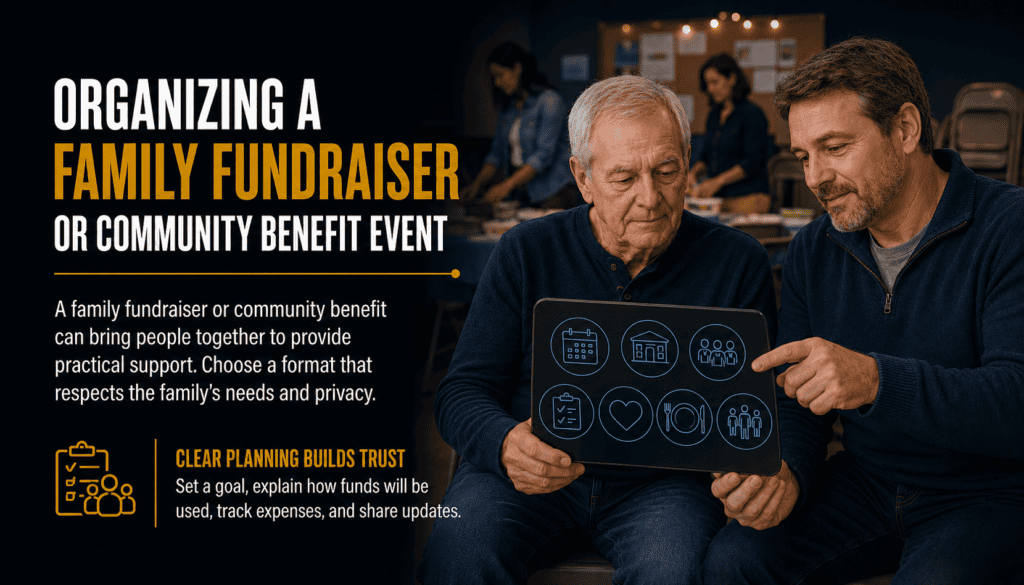
🎗️ Organizing a Family Fundraiser or Community Benefit Event
Plan community events that raise awareness and provide financial support for ongoing care.
When a loved one is diagnosed with mesothelioma, families often face overwhelming medical expenses, travel costs for treatment, and reduced household income. A well-planned fundraiser or community benefit event can provide essential financial relief while bringing people together in support, solidarity, and hope.
Successful fundraisers not only help cover immediate costs — they also raise awareness about asbestos dangers and strengthen the community around your family.
This comprehensive guide walks you through how to plan, organize, promote, and execute a meaningful and effective fundraising event.
💡 Step 1: Determine the Purpose and Financial Goal
Before planning begins, clarify why you are raising funds and how the money will be used. Common needs include:
-
Treatment and medication expenses
-
Travel to mesothelioma specialists
-
Temporary loss of income
-
In-home caregiving or medical equipment
-
Mortgage, rent, or utility support
-
Funeral or end-of-life planning
-
Childcare or family services
Once the purpose is clear, set a realistic financial goal — such as $2,500, $10,000, or $25,000 — based on anticipated expenses. A goal gives supporters confidence that their contributions truly matter.
🤝 Step 2: Build a Volunteer Team
Fundraisers succeed when responsibilities are shared. Assemble a team of family, friends, coworkers, church members, or community supporters.
Assign roles such as:
-
Event coordinator – oversees planning
-
Finance manager – tracks donations
-
Marketing and social media lead
-
Local business outreach coordinator
-
Logistics manager – venue, setup, cleanup
-
Donation/raffle organizer
Even a small team of 5–10 people can make a major impact when tasks are divided.
📅 Step 3: Choose the Best Event Type
Select an event that fits your community size, volunteer team, and financial goal. Popular fundraiser ideas include:
🎉 Community Events
-
Charity dinner
-
Pancake breakfast
-
Spaghetti supper
-
BBQ cookout
-
Silent auction
🚶 Athletic Events
-
5K walk/run
-
Bike ride
-
Softball or golf tournament
-
“Steps for Mesothelioma” challenge
🎶 Social or Creative Events
-
Benefit concert
-
Art sale
-
Local talent show
-
Open-mic night
-
Movie night in the park
🛍️ Sales & Donation Events
-
Yard sale
-
Bake sale
-
Craft fair
-
Car wash
-
Raffle baskets
💻 Virtual Fundraisers (Great for Long-Distance Family)
-
Online donation page
-
Livestream benefit
-
Virtual silent auction
-
Crowdfunding campaigns (GoFundMe, GiveSendGo, etc.)
Choosing the right format ensures strong attendance and a positive community response.
📌 Step 4: Secure a Venue and Set the Date
Once you choose your event type, select a date that avoids major holidays, sporting events, or community conflicts. Then choose a location such as:
-
A local church
-
School gym or cafeteria
-
Community center
-
Local park
-
Restaurant or banquet hall
-
Private home or backyard
-
Virtual event platform
Check whether permits, insurance, or reservations are required, especially for public or outdoor events.
🎁 Step 5: Seek Donations and Sponsorships
Partner with local businesses to enhance the event and reduce costs. Ask for:
-
Gift cards
-
Raffle baskets
-
Catering discounts
-
Venue fee waivers
-
Cash sponsorships
-
Merchandise or services
Offer recognition in return:
-
Sponsor banners
-
Social media shoutouts
-
Logo placement on event flyers
-
Thank-you acknowledgments during the event
Businesses often welcome opportunities to support meaningful community causes.
📣 Step 6: Promote the Event to Maximize Attendance
Successful fundraisers depend on strong outreach. Promote your event through:
📱 Social Media
-
Facebook events
-
Instagram posts
-
TikTok videos
-
Twitter/X announcements
-
Local community groups
📰 Traditional Methods
-
Flyers in restaurants, churches, and gyms
-
Local newspapers
-
Radio stations
-
Community bulletin boards
📧 Direct Communication
-
Email newsletters
-
Church announcements
-
Text message reminders
-
Workplace communication boards
Include essential details:
-
Event purpose
-
Date, time, and location
-
Donation instructions
-
Contact information
-
How funds will support mesothelioma care
Clear communication encourages community participation.
🧾 Step 7: Provide Transparent Donation Options
Offer multiple ways to give so supporters can choose what works best for them:
-
Cash
-
Check
-
Online donation portals
-
QR code linked to a crowdfunding page
-
Venmo, PayPal, or CashApp
-
Raffle ticket purchases
-
Auction bids
Transparency increases trust. Clearly communicate:
-
How funds will be used
-
Who manages the donation account
-
How donors can receive receipts if needed for tax records
🎤 Step 8: Create a Meaningful Program for Event Day
If your fundraiser includes an in-person gathering, plan a thoughtful program to honor your loved one and keep guests engaged. You may include:
-
Welcome speech
-
Short educational message about mesothelioma
-
Prayer, blessing, or moment of silence
-
Personal stories from family or friends
-
Live entertainment
-
Auction or raffle drawings
-
Closing gratitude message
Highlighting the purpose behind the event inspires generosity and emotional connection.
📦 Step 9: Manage Logistics on Event Day
Keep the event running smoothly with:
-
Clear signs indicating donation areas
-
Volunteer check-in table
-
Organized seating and food stations
-
Accessible restrooms
-
Safety considerations
-
A designated photographer
-
Backup plans for weather (if outdoors)
Good organization helps attendees enjoy the experience and encourages stronger donations.
❤️ Step 10: Show Appreciation to Supporters
After the event, send thank-you messages to:
-
Donors
-
Sponsors
-
Volunteers
-
Community members
-
Social media followers
Consider:
-
Personalized cards
-
Social media shoutouts
-
A public message listing sponsors
-
A short video expressing gratitude
Expressing appreciation builds goodwill and encourages long-term support.
📊 Step 11: Track Funds and Provide Transparency
Responsible financial management strengthens trust. Track:
-
Income from ticket sales
-
Sponsorship contributions
-
Auction proceeds
-
Raffle earnings
-
Online donations
-
Event expenses
Share a summary with supporters to show how donations will help the family.
🌟 Step 12: Consider Making It an Annual or Ongoing Event
Some families continue fundraising efforts for:
-
Longer-term care needs
-
Future medical travel
-
Research donations
-
Community awareness-building
Ongoing events create a legacy while helping others impacted by mesothelioma.
📞 Get Help Planning or Funding Care
Organizing a fundraiser is an act of love, strength, and community unity — one that provides crucial financial support while bringing people together for a meaningful cause.
If your family needs legal or financial guidance during mesothelioma treatment, call 800.291.0963 to speak with a specialist who understands your journey.