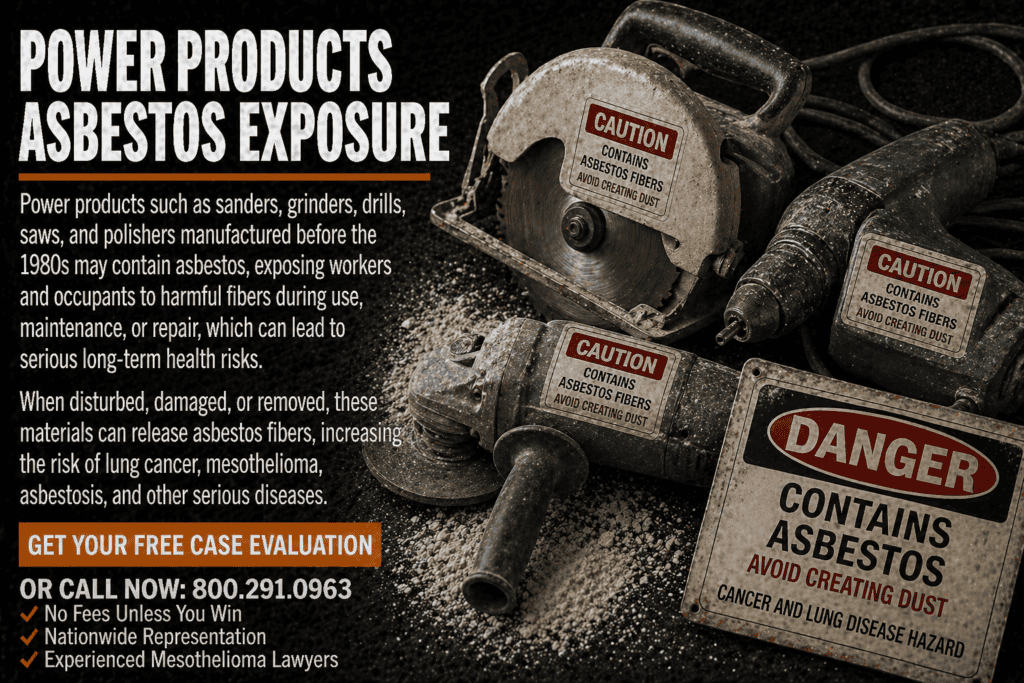
⚡ Power Products Asbestos Exposure Mesothelioma Lawsuit
If you or a loved one has been diagnosed with mesothelioma or asbestos-related lung cancer due to exposure from asbestos-containing power generation products, you may qualify to file a power products mesothelioma lawsuit. Our experienced legal team helps workers, veterans, and families pursue financial compensation by identifying the companies responsible for their asbestos exposure—often through negligent practices and a failure to provide proper safety warnings. We carefully build strong legal cases based on occupational and environmental exposure history, including asbestos exposure from power turbines, generators, switchgear, circuit breakers, insulators, electrical housings, and transformer components used in power plants, utility stations, shipyards, factories, refineries, and military bases.
Through power product asbestos lawsuits, victims may recover compensation for medical expenses, lost income, pain and suffering, long-term care, and wrongful death. At Mesothelioma Help Center, we guide families through every step of the legal process—with no upfront fees, and no payment unless we win. Our attorneys have decades of experience securing asbestos verdicts, settlements, and trust fund claims, helping victims hold negligent power equipment manufacturers and suppliers accountable and obtain the justice they deserve.
📘 Here’s What You’ll Learn When You Read This Page:
-
🔥 Power generation equipment containing asbestos was widely used for insulation, fireproofing, and electrical resistance in high-voltage systems.
-
🛠️ Workers were exposed while installing, repairing, dismantling, or maintaining turbines, generators, switchgear, and transformer housings.
-
🏭 Exposure was common in power plants, electrical substations, shipyards, refineries, and utility operations.
-
⚖️ Victims of power product asbestos exposure have filed lawsuits and trust fund claims.
📊 Facts About Asbestos in Power Products
• 🧱 Asbestos was used in most power generation and electrical components until the 1980s.
• 🚨 Asbestos Exposure: High in turbine rooms, switchgear vaults, transformer stations, and utility plants.
• 💢 Asbestos-Related Disease Risk: Severe for electricians, engineers, power plant operators, maintenance crews, and Navy veterans.
• 🔥 High-voltage heat, friction, and fire resistance needs increased asbestos use in power systems.
• 👷 Similar Occupations: Electrical workers, turbine technicians, utility linemen, ship engineers, and control room operators.
📜 History of Asbestos Use in Power Products
From the early 20th century through the 1980s, asbestos was an essential insulating and fire-resistant material in nearly all power generation and electrical equipment. Its ability to resist extreme heat and prevent electrical fires made it indispensable in turbine housings, generator insulation, switchgear linings, and transformer cores.
Unfortunately, installing, repairing, dismantling, or maintaining this equipment released microscopic asbestos fibers into the air, which workers inhaled. Exposure risks were particularly high in enclosed turbine halls, transformer vaults, and control rooms where ventilation was poor and asbestos dust lingered for hours.
🧮 Number of U.S. Workers Exposed to Asbestos from Power Products
| Occupational Group | Estimated Number of Workers Exposed |
|---|---|
| Power Plant & Utility Workers | Over 850,000 exposed while servicing turbines, transformers, and switchgear. |
| Electrical Engineers & Technicians | Around 700,000 handled asbestos components in electrical systems. |
| Shipyard & Marine Engineers | Approximately 500,000 exposed to asbestos power units aboard naval vessels. |
| Refinery & Industrial Workers | Nearly 400,000 serviced power equipment in chemical and oil plants. |
| Maintenance & Mechanical Crews | About 600,000 exposed during repairs and replacements of asbestos-insulated machinery. |
| Military & Naval Personnel | Roughly 450,000 encountered asbestos in shipboard and base power systems. |
📈 Total Estimated Exposure:
Over 3.5 million U.S. workers were exposed to asbestos from power products.
🔩 Asbestos Power Products
Asbestos was incorporated into a wide range of power generation equipment and components designed to insulate, contain heat, and prevent electrical failures. These materials released hazardous fibers when disturbed.
⚙️ Power Turbines & Generators
Used asbestos insulation and gaskets to withstand extreme heat and pressure. Repairing or overhauling these units often released asbestos dust into enclosed spaces.
🧲 Switchgear & Circuit Breakers
Contained asbestos arc chutes, linings, and insulation to prevent electrical fires. Maintenance and retrofitting disturbed these components, exposing electricians and technicians.
🔌 Transformers & Insulators
Asbestos was used inside transformer housings and as electrical insulators. Opening or replacing aging units released fibers into the air.
🧷 Turbine & Boiler Gaskets
Sealed high-pressure systems in power plants. Cutting, scraping, and replacing these components released significant asbestos dust.
🗄️ Electrical Housings & Panels
Made with asbestos for fireproofing and insulation. Drilling, cutting, or removing panels exposed workers to inhalable fibers.
🧑🏭 Types of Workers & Asbestos Exposure from Power Products
🏭 Power Plant Workers
Installed and maintained asbestos-insulated turbines, boilers, and transformers. Exposure was heavy during shutdowns and maintenance overhauls.
🧰 Electrical Engineers & Technicians
Repaired switchgear, circuit breakers, and transformers containing asbestos. Dust exposure occurred during retrofitting and component replacement.
⚓ Shipyard & Marine Personnel
Serviced power systems aboard naval ships where asbestos insulation was heavily used. Confined compartments amplified fiber exposure.
🧪 Refinery & Chemical Plant Workers
Handled asbestos components in high-voltage systems powering industrial processes. High heat and chemical conditions degraded materials, increasing exposure.
🔧 Maintenance Crews
Removed deteriorated asbestos gaskets, insulation, and housings. Airborne dust lingered during extended repair operations.
🎖️ Military Personnel
Worked around asbestos-insulated power systems aboard ships and bases, often in confined, poorly ventilated environments.
❓ FAQs About Power Products and Mesothelioma Lawsuits
Who qualifies?
Anyone diagnosed with mesothelioma or asbestos-related cancer after exposure to asbestos power products may qualify for compensation.
How did exposure happen?
Exposure occurred during installation, repair, removal, or retrofitting of asbestos-insulated equipment. Fibers were released into the air and inhaled by workers.
Are veterans eligible?
Yes. Veterans exposed aboard ships, submarines, or military power stations may qualify for VA benefits and lawsuits.
What’s the filing deadline?
Most states allow 1–3 years from diagnosis or death to file a lawsuit. Acting quickly protects your legal rights.
Do I pay anything upfront?
No. Our attorneys work on a contingency basis — you pay nothing unless we win.
🏭 Manufacturers of Asbestos Power Products
🏗️ Power Equipment Manufacturers
Produced asbestos-containing turbines, generators, and transformers. Workers faced exposure during installation and maintenance.
🔩 Electrical Component Suppliers
Supplied asbestos-insulated switchgear, circuit breakers, and panels for utilities, shipyards, and factories.
🛡️ Military & Naval Contractors
Manufactured asbestos power systems for ships and bases, exposing countless service members.
📂 Power Products Mesothelioma Cases
From the 1930s to the 1980s, asbestos power products were standard in virtually all electrical and industrial power systems. Decades later, many who worked with these components developed mesothelioma and other asbestos diseases.
👤 Who Qualifies
Individuals diagnosed after working with power turbines, switchgear, or transformers — including electricians, power plant operators, and naval personnel — may qualify for compensation. Family members exposed secondhand may also be eligible.
📈 Statistics
Thousands of mesothelioma cases are directly linked to asbestos power products.
High-risk sites include power plants, naval vessels, refineries, and electrical substations.
Settlements often exceed six figures, with additional trust fund compensation available.
🫁 Power Products Asbestos Lung Cancer Cases
Power generation equipment was a major source of asbestos-related lung cancer. Cutting gaskets, opening transformers, or replacing switchgear insulation often released fibers into confined workspaces.
👤 Who Qualifies
Workers diagnosed with asbestos-related lung cancer after exposure to power products — including engineers, electricians, and maintenance crews — may qualify for compensation.
📈 Statistics
Thousands of lung cancer lawsuits have been linked to asbestos power product exposure.
Many claims result in six-figure settlements and trust fund payouts.
🧭 History of Mesothelioma and Asbestos Lung Cancer From Power Products
🕰️ 1930s–1970s: Asbestos used in power generation systems for insulation and fire resistance.
📉 1980s: Federal regulations restricted asbestos use, but legacy equipment continued to expose workers.
📆 Today: Many diagnosed individuals were exposed decades earlier while working with power systems.
⚖️ How a Mesothelioma Lawyer Can Help Power Industry Workers
-
🔎 Investigate Job Sites and Exposure Records: Identify when and where asbestos exposure occurred.
-
📝 File Trust Fund Claims and Lawsuits: Recover compensation for medical bills, lost wages, and more.
-
👪 Represent Families: Wrongful death claims provide justice for victims’ families.
-
🤝 No-Win, No-Fee Representation: You pay nothing unless we recover compensation.
-
🎖️ Assist Veterans: Help with VA claims for asbestos exposure during military service.
📞 Legal Help for Power Products Asbestos Exposure
If you or a loved one worked with asbestos power products and developed mesothelioma, lung cancer, or asbestosis — you may be entitled to significant compensation.
Call Now: 800.291.0963
-
✅ No upfront cost
-
✅ No fees unless we win
-
✅ Comprehensive exposure investigation
-
✅ Help for power plant workers, electricians, machinists, and families
Or request legal help online 24/7: