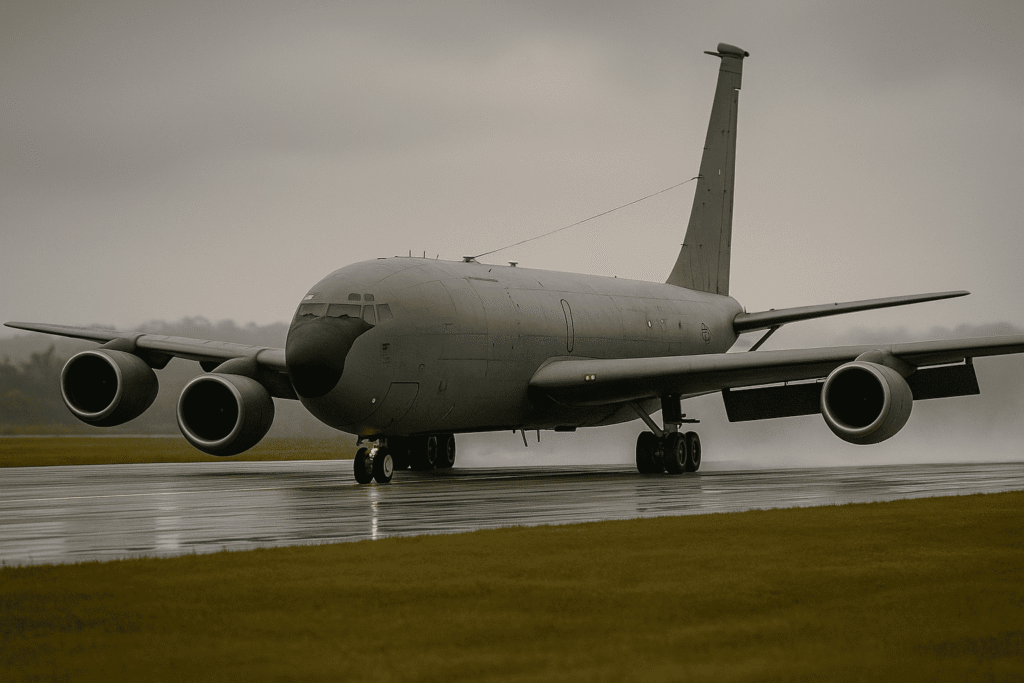
🛢️ Tanker Planes – Asbestos Exposure
Tanker planes—used for aerial refueling, fuel transport, and support missions—have been essential to U.S. military and NATO operations since the 1950s. Many of these aircraft, including the KC-135 and converted cargo models, were manufactured with asbestos-based components to manage the extreme heat, vibration, and flammability risks associated with fuel handling and in-flight refueling.
Asbestos was commonly found in brake pads, engine insulation, wiring bundles, fuel line seals, and fire barriers. Technicians and retrofit crews were frequently exposed during system overhauls, fuel tank access, and refueling boom maintenance. Tight compartments and aging parts increased airborne asbestos risk during repair and inspection activities.
📘 Tanker Planes – What You’ll Learn from This Page:
-
Tanker aircraft contained asbestos in engine wraps, brake pads, wiring insulation, and boom bay fireproofing. Maintenance crews and retrofit teams were frequently exposed.
-
Workers diagnosed with mesothelioma, lung cancer, or asbestosis may be eligible for legal settlements or asbestos trust fund compensation.
-
Frequent maintenance of fuel systems, brakes, and refueling equipment caused asbestos exposure, particularly in aging aircraft like the KC-97 and KC-135.
-
Over $30 billion remains in asbestos trust funds. Tanker aircraft-related claims often settle between $275,000 and $475,000.
-
Eligible workers may also qualify for VA disability, SSDI, or military contractor benefits.
-
Legal settlements for asbestos exposure in tanker planes have reached $1.2 to $1.6 million, with some verdicts exceeding $5 million.
-
Free legal consultations are available for former aircrew, fuel technicians, and mechanics exposed during tanker aircraft service.
🧾 Estimated Number of People Exposed via Tanker Planes
| Exposure Category | Estimated Number of People Exposed |
|---|---|
| Aircraft Mechanics | Over 78,000 exposed |
| Fuel System Technicians | Around 42,000 exposed |
| Refueling Boom Operators | About 29,000 exposed |
| Hangar & Retrofit Crews | Nearly 47,000 exposed |
Total Estimated Exposure: Over 196,000 personnel.
🔥 Why Asbestos Was Used in Tanker Aircraft
Tanker planes needed fire resistance, insulation, and durability due to fuel transport and in-flight refueling hazards:
-
Brake Linings – Asbestos components handled heavy, high-speed landings
-
Engine Compartment Wraps – Used asbestos to contain high engine heat
-
Fuel Line Seals & Gaskets – Prevented leakage near hot engine parts
-
Electrical Wiring Insulation – Protected refueling controls from ignition sources
-
Boom Bay Firewalls – Contained asbestos fireproof panels to shield crew areas
Exposure was highest during inspection, brake work, engine repairs, and boom assembly overhauls.
🌍 Tanker Aircraft Use Across Military Operations
| Sector | Primary Use | Common Locations |
|---|---|---|
| In-Flight Refueling | Fuel delivery to combat aircraft | Global air bases, carriers |
| Strategic Transport | Moving fuel between installations | Logistics depots, air hubs |
| Cold War Readiness | Long-range bomber support | NATO airfields, refueling zones |
Aging Cold War-era aircraft had more brittle asbestos parts—raising exposure risk during each retrofit and overhaul cycle.
👷 Estimated Number of Personnel Exposed from Tanker Aircraft Work
| Occupation Group | Estimated Number Exposed |
|---|---|
| Brake & Wheel Techs | Over 8,200 |
| Boom Bay Technicians | Approx. 7,100 |
| Engine Maintenance Crews | Around 6,500 |
| Refueling Control Techs | Nearly 5,900 |
Total Estimated Exposure: Over 27,700 personnel.
🧱 Asbestos Exposure Areas on Tanker Aircraft
-
Brake Systems – Pads and drums frequently replaced due to heavy landings
-
Engine Insulation – Contained asbestos blankets and wraps
-
Boom Bay Compartments – Lined with asbestos to resist ignition near fuel lines
-
Cockpit Wiring Harnesses – Older wiring used asbestos shielding
-
Fuel Pumps & Connectors – Gaskets and seals made with asbestos for durability
⚠️ High-Risk Tanker Aircraft Personnel
| Job Role | Exposure Risk | Details |
|---|---|---|
| Mechanics | High | Removed asbestos gaskets and brake components |
| Refueling System Techs | High | Worked in boom bays and under-floor compartments |
| Engine Overhaul Teams | High | Handled insulation wraps and seals near turbines |
| Avionics & Wiring Crew | Moderate | Exposed during rewiring and cockpit panel access |
🧰 Common Asbestos Products in Tanker Planes
-
Brake Linings & Discs – Used in main and nose landing gear
-
Insulation Blankets – Wrapped engines and exhaust piping
-
Fireproof Panels – Found in boom bays and fuel control areas
-
Gaskets & Seals – Used around fuel pumps and engine compartments
-
Electrical Wire Wraps – Contained asbestos for fire resistance
🫁 Long-Term Health Risks from Asbestos Exposure
-
Mesothelioma – Aggressive, fatal cancer of the pleural lining
-
Asbestosis – Lung scarring that leads to chronic breathing problems
-
Lung Cancer – Risk increases with prolonged or repeated exposure
-
Pleural Plaques – Hardened lung lining causing pain and stiffness
⚖️ Lawsuits Filed by Tanker Aircraft Workers
-
Filed by military contractors, techs, and support crews
-
Legal claims target asbestos product manufacturers—not the government
-
Surviving spouses and family members may file wrongful death claims
-
Exposure confirmed in KC-series tankers, Cold War aircraft, and converted freighters
💰 Sample Tanker Aircraft Asbestos Settlements
| Settlement Amount | Case Details |
|---|---|
| $3.0 million | Fuel systems mechanic exposed to gaskets and insulation, got mesothelioma |
| $2.7 million | Boom bay technician developed lung cancer after decades of service |
| $2.5 million | Crew chief exposed to asbestos brake dust on KC-135 |
| $2.1 million | Retrofit contractor removed fireproof panels during upgrade |
🏢 Companies Linked to Tanker Aircraft Asbestos Parts
-
Raybestos – Braking and clutch systems
-
Garlock – Fuel and engine gaskets
-
Johns-Manville – Engine insulation and panel fireproofing
-
3M – Insulation wraps and cockpit materials
-
Bendix – Electrical system components and thermal barriers
🏦 Asbestos Trust Funds for Tanker Aircraft Workers
-
Over $30 billion remains available for claimants
-
Claims range from $300,000 to $600,000+ on average
-
Trust claims don’t interfere with VA, SSDI, or military pensions
-
Many veterans and contractors still qualify decades after discharge
🪖 Benefits for Tanker Plane Veterans & Contractors
-
VA monthly disability for asbestos-linked cancers
-
SSDI and workers’ comp for affected civilians
-
VA DIC compensation for surviving dependents
-
Legal claims may supplement these government benefits
📝 Filing a Tanker Aircraft Asbestos Claim
-
Confirm asbestos-related illness through medical diagnosis
-
Gather service or contractor records for aircraft work history
-
File with the help of experienced asbestos attorneys
-
Most cases resolve in 6–12 months and include full compensation
⏳ Statute of Limitations
-
Injury Claims: 2–3 years from the time of diagnosis
-
Wrongful Death: 2–3 years from the date of death
-
Trust Fund Claims: No deadline for most asbestos trusts
❓ Tanker Plane Asbestos Exposure FAQs
Q: Did military refuelers contain asbestos?
Yes. Many KC-series and converted tankers used asbestos insulation, brakes, and wiring materials.
Q: Can former military personnel file claims?
Yes. Many veterans and DOD contractors have successfully filed asbestos claims.
Q: Will this affect VA or SSDI benefits?
No. Legal and trust claims are separate and do not impact government compensation.
Q: Can families of deceased crew members file claims?
Yes. Surviving dependents may file both wrongful death lawsuits and trust fund claims.
📞 Talk to a Legal Advocate for Tanker Plane Asbestos Exposure
Call 800.291.0963 for a free case review.
Experienced asbestos attorneys are ready to help veterans, contractors, and aviation crews file successful claims.