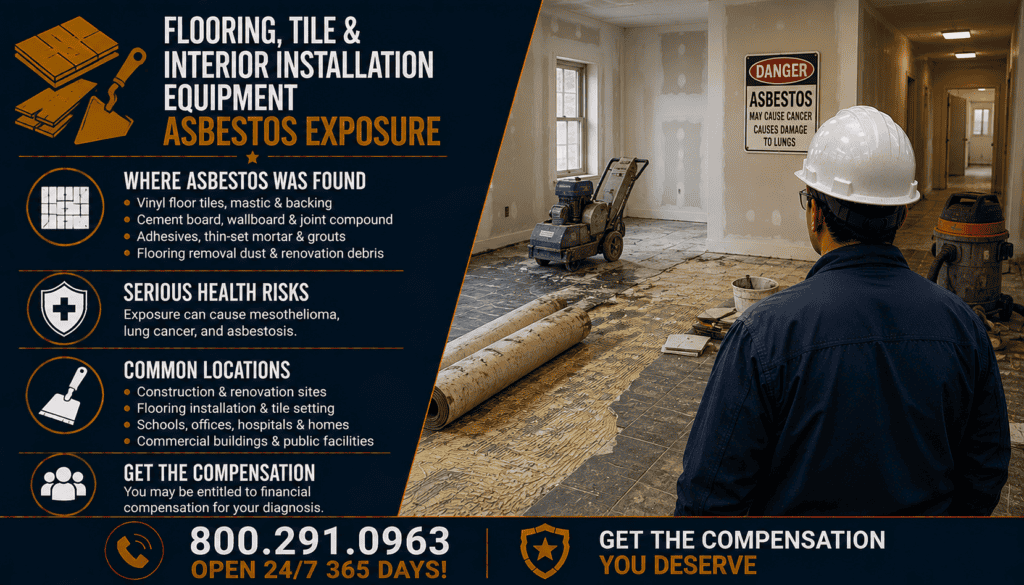
nsulation, Fireproofing & Heat Protection Equipment Asbestos Exposure
Older insulation, fireproofing and heat-protection equipment may have incorporated asbestos-containing materials because asbestos was historically valued for thermal resistance, fire protection and durability.
Asbestos was not present in every insulation system, fireproofing application or piece of heat-protection equipment. Exposure depends on the specific material, manufacturer, installation period, work performed and whether asbestos-containing components were disturbed.
This guide covers major equipment and work situations where historical asbestos-containing insulation or fire-resistant materials may have been used. Related resources include Equipment Asbestos Exposure, Asbestos Exposure in Products, Asbestos Exposure in High-Risk Jobs, and Asbestos Exposure in Job Sites.
Insulation and Fireproofing Equipment Overview
Historical heat-protection systems could include insulation blankets, thermal coverings, fire-resistant boards, spray-applied fireproofing, equipment jackets, wall insulation systems and other materials designed to reduce heat transfer or resist flame.
Potential asbestos exposure could occur during installation, maintenance, repair, renovation, demolition or removal when asbestos-containing material was cut, torn, drilled, scraped, broken or otherwise disturbed.
Equipment age or appearance alone does not prove asbestos content. Product records, specifications, installation documents and material testing may be needed.
Insulation Equipment and Asbestos Exposure
Older insulation equipment and systems could involve asbestos-containing materials around boilers, furnaces, piping, ducts, mechanical systems and industrial machinery.
Workers may have encountered asbestos during installation, fitting, cutting, patching, removal or replacement of insulation materials.
Fireproofing and Heat-Protection Equipment
Some historical fireproofing materials and heat-protection systems used asbestos-containing products because they could resist high temperatures and flame.
Potential exposure could occur when workers removed coatings, scraped fireproofing, drilled through protected surfaces or disturbed aged material during repairs and demolition.
Insulating Blankets and Thermal Barriers
Insulating blankets and thermal barriers were used around hot equipment, piping and machinery to reduce heat loss or shield workers from high temperatures. Some historical versions contained asbestos fibers or asbestos-containing fabric.
Fiber release was more plausible when old blankets were torn, cut, frayed, removed or handled repeatedly during equipment service.
Wall Insulation Equipment
Older wall systems could include insulation materials, backing boards, thermal barriers and fire-resistant products associated with mechanical rooms, industrial facilities and commercial buildings.
Potential exposure could occur during remodeling, wall opening, equipment replacement or demolition when asbestos-containing wall materials were disturbed.
Maintenance, Repair and Removal Exposure Pathways
Potential exposure is more plausible when asbestos-containing insulation or fireproofing is physically disturbed.
- cutting or fitting insulation around equipment;
- removing insulation jackets or thermal coverings;
- tearing or replacing old insulating blankets;
- scraping fireproofing from surfaces;
- drilling through insulated walls or barriers;
- repairing boilers, furnaces or heated machinery;
- demolishing old mechanical rooms or protected structures; and
- cleaning dust and debris after insulation removal.
Actual exposure depends on asbestos content, material condition, frequency, duration, proximity, ventilation and cleanup methods.
Trying to identify asbestos in older insulation or fireproofing equipment? Call 800.291.0963. Live chat available 24/7, 365 days a year. Submit Your Case.
Workers and Job Sites Linked to This Equipment
Potentially relevant workers may include insulators, boilermakers, pipefitters, maintenance mechanics, electricians, HVAC workers, construction workers, demolition crews, refractory workers and industrial maintenance personnel.
Relevant settings may include power plants, factories, refineries, shipyards, commercial buildings, boiler rooms, mechanical rooms, warehouses and other facilities using insulated or fire-protected equipment.
Related equipment categories include Boilers, Heating & Thermal Equipment Asbestos Exposure, Electrical, Generator & Power Equipment Asbestos Exposure, Refrigeration, Cooling & Mechanical Systems Equipment Asbestos Exposure, and Construction, Excavation & Heavy Equipment Asbestos Exposure.
A job title or worksite alone does not prove asbestos exposure.
Evidence That May Identify Asbestos-Containing Components
Useful evidence may include:
- manufacturer and brand information;
- equipment manuals and specifications;
- construction drawings and insulation schedules;
- purchase orders and invoices;
- maintenance and repair records;
- product labels and packaging;
- asbestos surveys and abatement reports;
- historical photographs;
- employment, union or military records;
- coworker or supervisor statements; and
- laboratory analysis of surviving material where appropriate.
Research may also include Asbestos Manufacturers when historical records identify a product or material supplier.
Household exposure may require evidence that asbestos-contaminated dust was actually carried home on work clothing, shoes, tools or belongings. See Secondhand Asbestos Exposure.
Insulation and Fireproofing Equipment FAQs
Did all older insulation equipment contain asbestos?
No. Asbestos use varied by product, manufacturer, application and year.
Where could asbestos be found in insulation equipment?
Historical asbestos-containing materials could be present in thermal insulation, equipment jackets, blankets, boards, coatings and other heat-protection components.
Could removing old insulation create exposure?
Potentially, if the insulation contained asbestos and was cut, torn, scraped, broken or otherwise disturbed.
Could fireproofing equipment involve asbestos?
Yes. Some historical fireproofing systems used asbestos-containing materials for flame and heat resistance.
Could insulating blankets contain asbestos?
Some historical thermal blankets and fabrics contained asbestos, depending on manufacturer and period.
Could wall insulation systems involve asbestos?
Some older wall insulation, backing and fire-resistant materials contained asbestos. Product-specific evidence is needed.
Does identifying a manufacturer prove exposure?
No. Manufacturer identification does not establish that a specific asbestos-containing product was present, disturbed or inhaled.
Does insulation-equipment exposure automatically qualify someone for compensation?
No. Eligibility depends on product identification, actual exposure, medical evidence, jurisdiction and other case-specific facts. Compensation is not guaranteed.
Get Help Reviewing Insulation and Fireproofing Equipment Exposure
If you or a family member has been diagnosed with mesothelioma, asbestos-related lung cancer or another asbestos-related disease and you are trying to identify historical insulation, fireproofing or heat-protection equipment, we can help organize information that may be relevant.
Call 800.291.0963 to discuss what you remember about the equipment, material, manufacturer, workplace, job duties and years of possible exposure. Live chat is available 24/7, 365 days a year. Submit Your Case using the form below.
Prior exposure does not automatically establish a legal claim. Eligibility depends on the evidence, diagnosis, jurisdiction and other circumstances, and compensation is not guaranteed.
⚕️ Legal & Medical Information Disclaimer
This page provides general educational information and is not medical or legal advice. The information does not establish asbestos exposure, diagnosis, causation, liability, claim eligibility or compensation. Medical concerns should be discussed with a qualified healthcare professional, and legal questions should be reviewed with a qualified attorney.